
Executive summary and policy rationale
Pursuant to the exigencies of modern grid operation, regulated entities must align technical deployment with regulatory instruments to reduce transmission curtailment. This document articulates the policy-impact pathway by which an accountable utility may deploy utility scale battery storage to attenuate curtailment exposure, optimize dispatch outcomes, and preserve system value. The analysis herein addresses procurement, interconnection, market participation, and contractual modalities in terms germane to regulatory review and board-level decisioning.
Why transmission curtailment is a regulatory problem
Transmission curtailment manifests where generation must be curtailed due to transmission congestion, over-generation at specific nodes, or operational limits notwithstanding available demand. Regulators interpret recurrent curtailment as an inefficiency that undermines resource adequacy and ratepayer equity. From a compliance perspective, utilities are obliged to minimize wasteful curtailments where cost-effective remedies exist; large-scale storage and associated dispatch strategies thus constitute a proximate mitigation measure that regulators will scrutinize for prudence and least-cost performance.
Policy levers and the mechanics of storage integration
Regulatory instruments that materially affect curtailment outcomes include rate design, transmission planning criteria, interconnection procedures, and market participation rules. Deployment of storage—configured for dispatchable capacity, frequency regulation, and energy arbitrage—operates within these levers: it shifts net load profiles, relieves congestion during peak exports, and affords time-shifting to match constrained transmission capacity. Key technical terms to reference in filings include state of charge (SoC), inverter dispatch settings, and ancillary services participation parameters.
Operational deployment considerations
From an operational standpoint, storage must be specified and contracted with explicit performance warranties, charge/discharge schedules, and telemetry obligations. The procurement record should evidence that selected systems can provide sustained discharge, meet inverter fault-ride-through criteria, and participate in real-time dispatch without exacerbating thermal limits. An effective procurement will also include binding provisions for SoC management and automated dispatch interlocks to reduce inadvertent congestion. —Note that design margins and redundancy clauses materially affect project deliverability and regulatory acceptance.
Contractual and market structures that enable mitigation
Utilities must select contractual structures that align merchant incentives with system needs: capacity contracts, tolling arrangements, or utility-owned models each present distinct regulatory treatments. Where market participation is permitted, storage assets may monetize arbitrage and ancillary services—thereby offsetting capital cost and reducing net rate impact. Conversely, utility ownership may expedite alignment with transmission planning objectives but will be subject to prudency review and rate base treatment. Clear articulation of benefit-cost analysis and scenario modeling should accompany any petition or filing.
Real-world anchor: California ISO curtailment episodes
CAISO’s documented curtailments during spring solar peaks (widely reported in 2020 and 2021) serve as a practical anchor for regulatory argumentation: those events illustrated how incremental storage capacity, when co-optimized with dispatch protocols, reduced solar curtailments and smoothed net load ramps. That empirical instance informs recommended modeling assumptions—specifically, that short-duration battery systems can materially abate midday curtailment and that scheduling granularity in market rules amplifies effectiveness.
Common implementation pitfalls and how to avoid them
Practitioners often err in three respects: underestimating interconnection study lead times; neglecting inverter configuration requirements; and assuming market rules permit full monetization of avoided curtailment. To mitigate these errors, utilities should: (i) initiate interconnection studies with realistic congestion constraints; (ii) require conformity testing for grid-forming or grid-following inverter modes; and (iii) seek explicit tariff language or regulatory approval that recognizes avoided curtailment as an admissible benefit in cost recovery metrics. These actions reduce the likelihood of stranded value and contested prudency findings.
Comparative procurement pathways
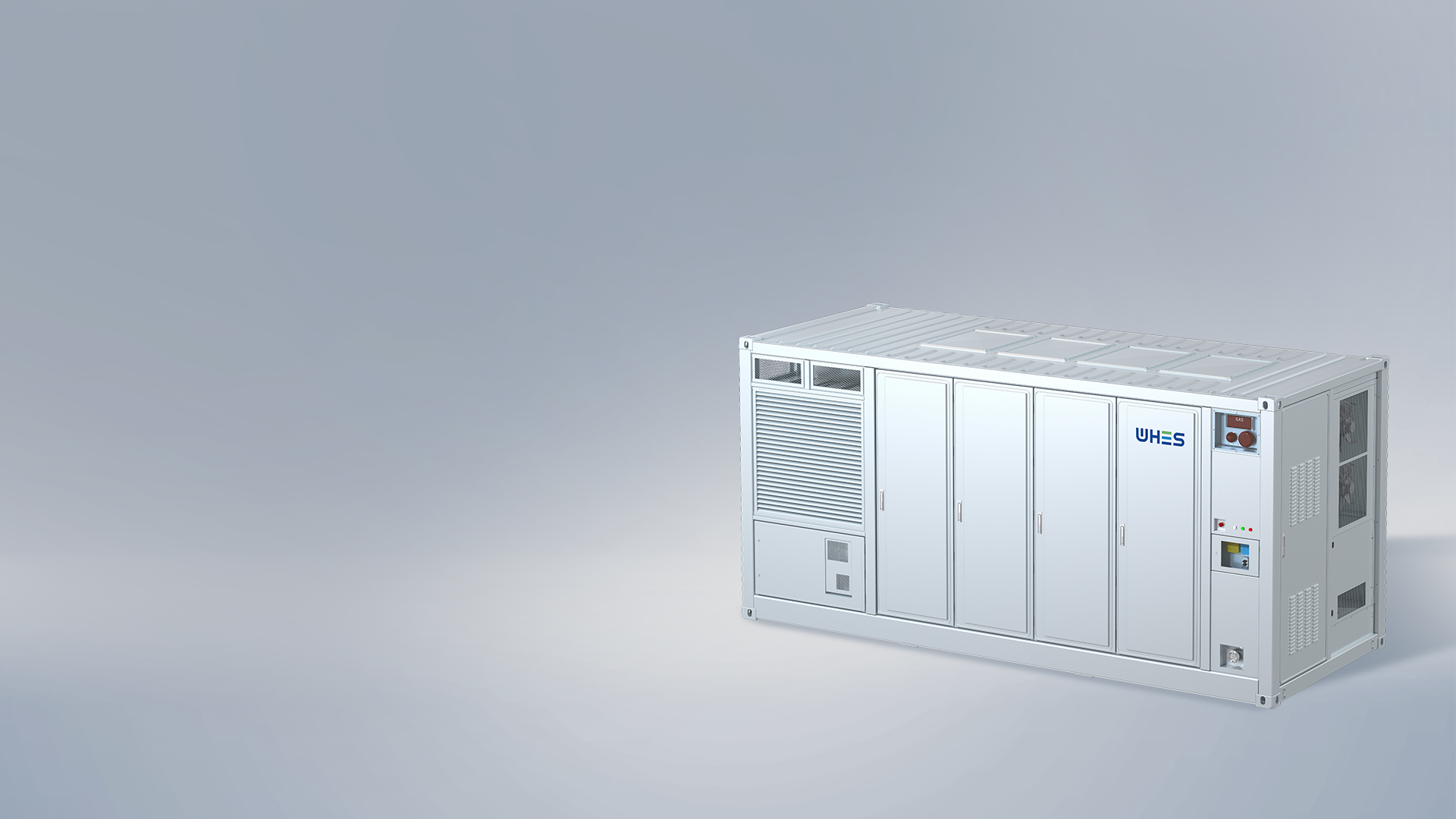
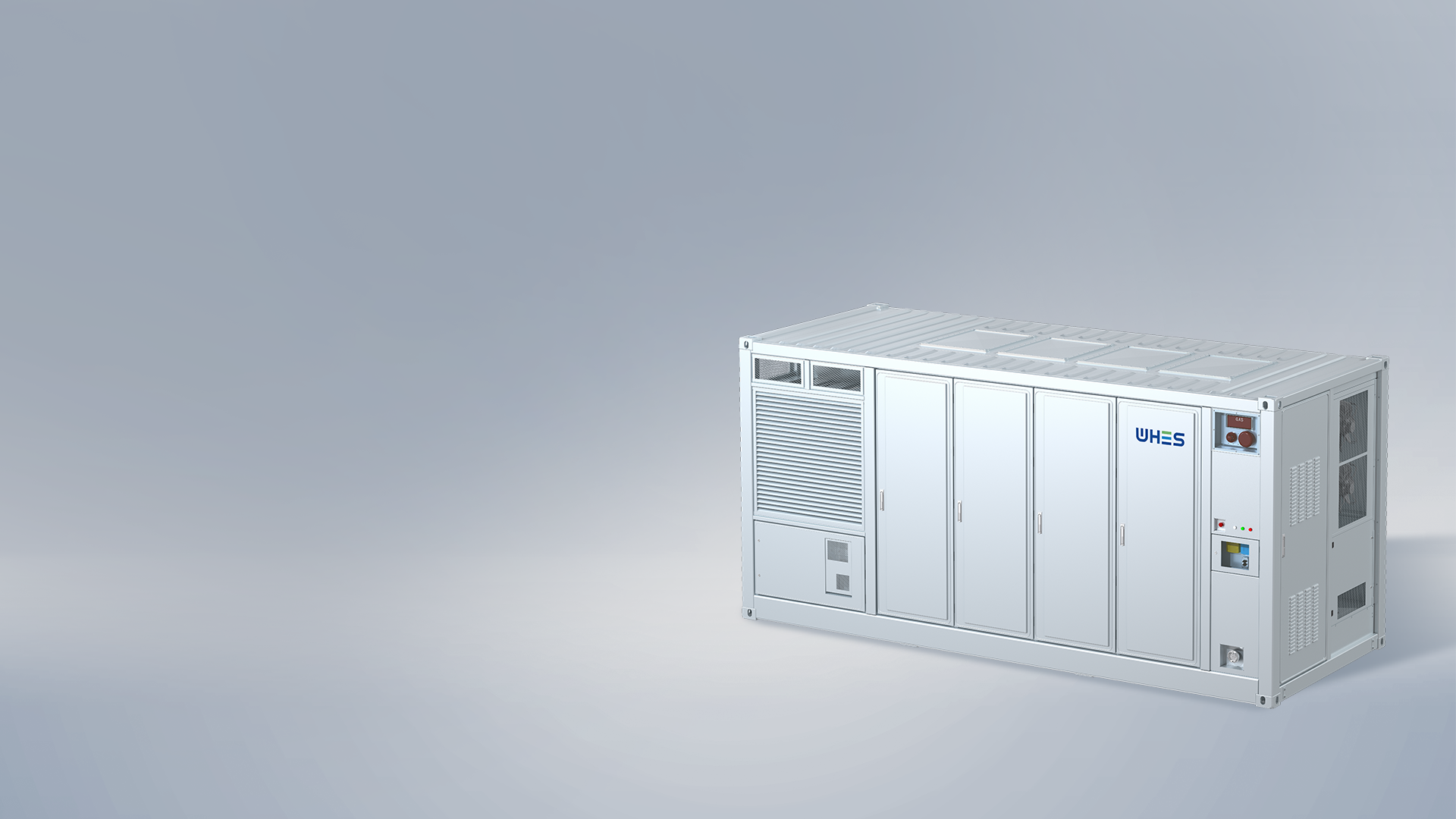
Three procurement archetypes warrant comparison: utility-owned, third-party contracted (capacity or tolling), and hybrid models with staged ownership. Each pathway should be evaluated against objective metrics—total lifecycle cost, deliverability risk, and regulatory complexity. A parallel technical assessment should include consideration of a certified grid scale battery energy storage system with documented performance in frequency regulation and dispatchable capacity, as such evidence strengthens the prudency case before regulators.
Advisory: three golden rules for regulatory-compliant deployment
1) Quantify avoided curtailment in regulatory filings with scenario-based sensitivity analysis that ties reduced curtailment to demonstrable ratepayer benefits.
2) Specify contractual and technical performance metrics—SoC limits, inverter ride-through, telemetry cadence—that are enforceable and auditable.
3) Coordinate procurement with transmission planning and market rule reform to ensure that storage dispatch rights are harmonized with congestion relief objectives.
Collectively, these rules establish a defensible framework for projecting system benefits and securing regulatory approval. Utilities that adopt them will be better positioned to demonstrate prudence and deliver measurable reductions in curtailment risk. —
Regulatory practitioners should expect improved operational flexibility, clearer cost recovery pathways, and reduced curtailment volumes when storage deployment is executed pursuant to the foregoing prescriptions. WHES. –