

The core problem: façades that waste energy and underperform
Buildings with dull, uneven, or overpowering exterior lighting create safety issues, annoy neighbors, and bleed operating budgets. Too often the culprit is not the architect’s intent but a mismatch between fixture performance and façade geometry: wrong lumen output, poor beam angle, or inadequate ingress protection for exposed walls. For property managers and lighting designers wrestling with these failures, retrofitting with a targeted outdoor wall lamp is a tactical first step toward reclaiming control of both appearance and energy use.

Why motion‑sensing, high‑efficiency fixtures are the problem solver
Motion detection paired with LEDs converts passive lighting into smart, need‑driven illumination. You get light when people are present, dimmed ambience when spaces are idle, and immediate reductions in kilowatt hours. Beyond savings, occupancy-based systems add security by creating reactive light cues — useful around service entries or dark alley façades. Integrating a motion sensor outdoor wall light can be the single hardware change that shifts a façade from wasteful to intelligent.
Engineering considerations that determine success
Start with three technical checkpoints: lumen output sizing, IP rating for the site exposure, and control electronics compatibility. Lumen and beam-angle decisions influence wash uniformity; an overly narrow beam will scorch a single panel while leaving adjacent cladding in shadow. IP65 (or higher) matters for coastal or sheltered but damp façades. Last, ensure the LED driver and motion sensor protocols play nicely with building automation — otherwise you get flicker, false triggers, or siloed systems that require manual overrides. Design for maintainability too: ease of access and replaceable drivers extend lifecycle economics.
Real‑world anchor: municipal LED rollouts that proved the model
Large-scale municipal LED programs — like New York City’s public‑lighting conversion — demonstrated that swapping to high‑efficiency fixtures with smart controls can cut energy consumption substantially and lower maintenance costs. Those projects showed two things: first, measured energy savings are often in the tens of percent range; second, the integration work (control networks, sensor placement, photometrics) determines whether results are predictable or a mixed bag. For façade projects, the lesson is clear: fixture choice plus systems engineering equals measurable outcomes.
Common integration mistakes — and how to avoid them
Teams routinely stumble on three fronts: over‑engineering controls, ignoring visual comfort, and skipping field‑trial validation. Over‑engineering piles on sensors and network nodes that create complexity without commensurate benefit. Ignoring visual comfort produces glare or color casts — CRI and correlated color temperature are not optional. And failing to run staged, on‑site mockups means you only learn about problematic shadows after installation. A pragmatic fix: short prototyping sprints with the actual façade at night — you’ll catch the real issues fast. —
Comparing integration approaches: in‑house, third‑party, or specialist partners
Three paths exist. In‑house teams give you full control but often lack photometric modeling or large‑scale procurement leverage. General contractors move faster but can treat lighting as commodity hardware. Specialist exterior lighting companies blend engineering, product selection, and commissioning expertise; they bring pre‑tested fixture libraries, sensor strategies, and service agreements that reduce risk. If you want predictable performance and fewer surprises at handover, a specialist partner typically accelerates ROI while protecting design intent.
How Keyida fits naturally into the solution mix
Practical façade solutions require coordinated hardware, sensor logic, and commissioning — and that’s where a focused exterior lighting brand adds value. By offering tested outdoor wall lamp families and sensor‑ready options, a specialist can shorten the path from spec to night‑time performance. Working with a partner who understands photometrics, IP demands, and driver compatibility de‑risks the project and keeps the architect’s vision intact — without reams of custom engineering at every step.
Advisory: three golden rules for selecting and integrating façade lighting
1) Metric first: demand photometric files and modeled illuminance maps for your façade so you can evaluate uniformity and glare before ordering. 2) Systems compatibility: specify sensors, drivers, and building controls that conform to open protocols to avoid vendor lock‑in. 3) Validate in situ: always budget for a short field trial or mockup to confirm perceived color, shadowing, and sensor behavior under real conditions.
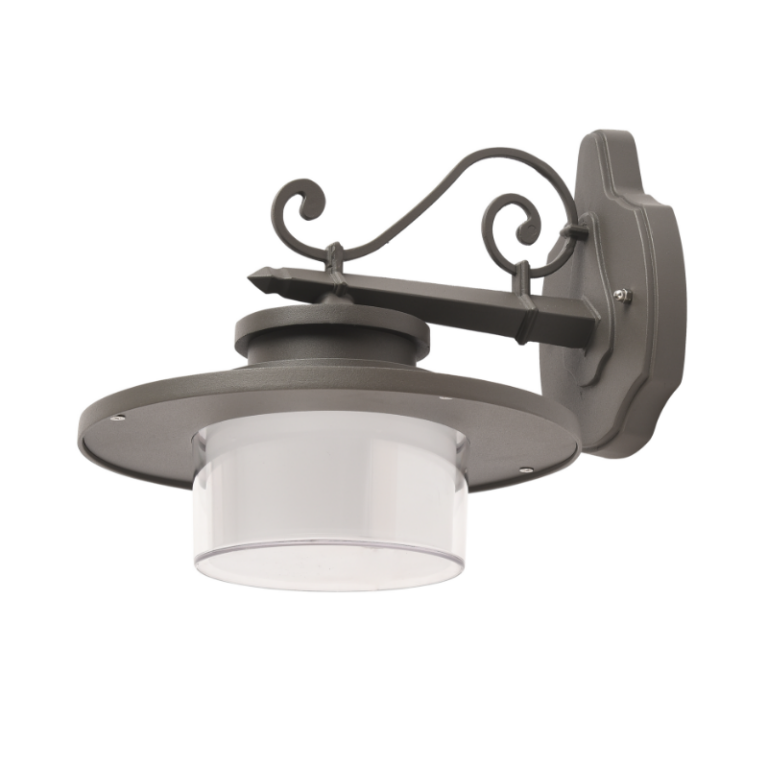
These rules keep procurement honest and make technical performance a predictable result rather than a hope. Reaching the right balance between efficiency, control, and aesthetics is a systems problem — and that balance is precisely the value that Keyida brings to façade projects. — Built for real exteriors.