
Problem statement — why audits matter now
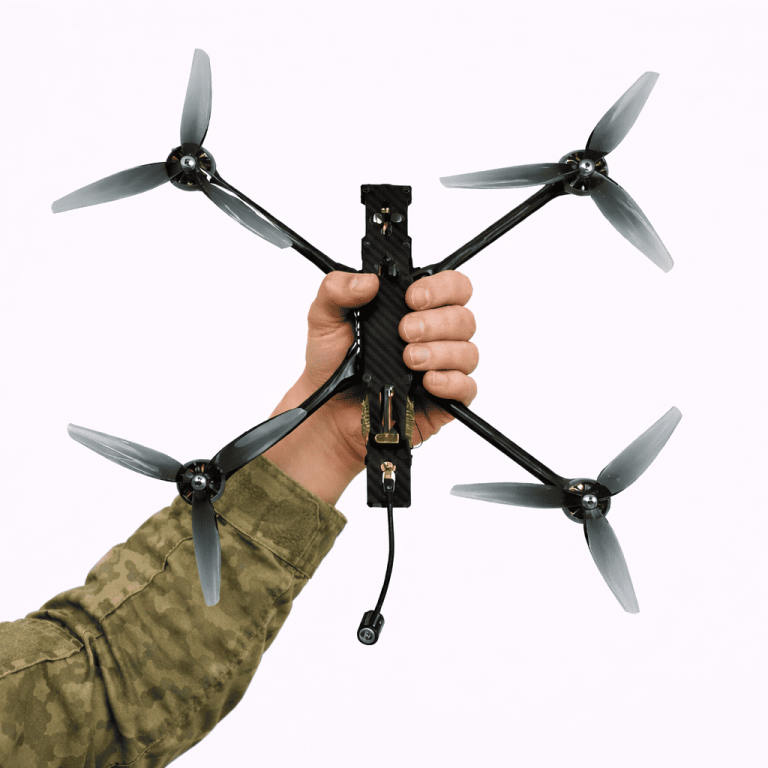
Training squadrons win or lose on repeatability: a single power unit that fails mid-sortie skews hours, damages airframes, and erodes confidence in systems meant to deliver consistent sorties. That problem has pushed logistics and training officers to demand precise proofs of MTBF (mean time between failures) from vendors and integrators, especially for platforms used in close-range tactical exercises like fpv drones military. When power distribution failures cascade into ESC or telemetry dropouts, training scenarios become unreliable and expensive.

Where failures hide in the chain
Audits that focus only on component specs miss the real failure modes: connector corrosion during storage, firmware drift in battery management systems (BMS), or poorly routed wiring that heats a PDU under repeated load. A practical audit traces the item from BOM through final assembly, verifying not just nominal current ratings but thermal behavior under mission profiles and the robustness of telemetry reporting. This is not theoretical—field reports from training ranges and lessons drawn from the Ukraine 2022 conflict show that small-system power weaknesses frequently surfaced under sustained, high-tempo operations.
Key checks to make during an audit
At the bench and on the range, push the systems beyond nominal values and document outcomes. Critical checks include:
– Load cycling to verify MTBF claims against real duty cycles; – Connector and solder joint inspection after vibration and humidity exposure; – Firmware version control and telemetry integrity tests that detect silences or corrupted logs; – Redundancy testing that demonstrates graceful degradation when a PDU or ESC fails.
Design and supply choices that raise MTBF
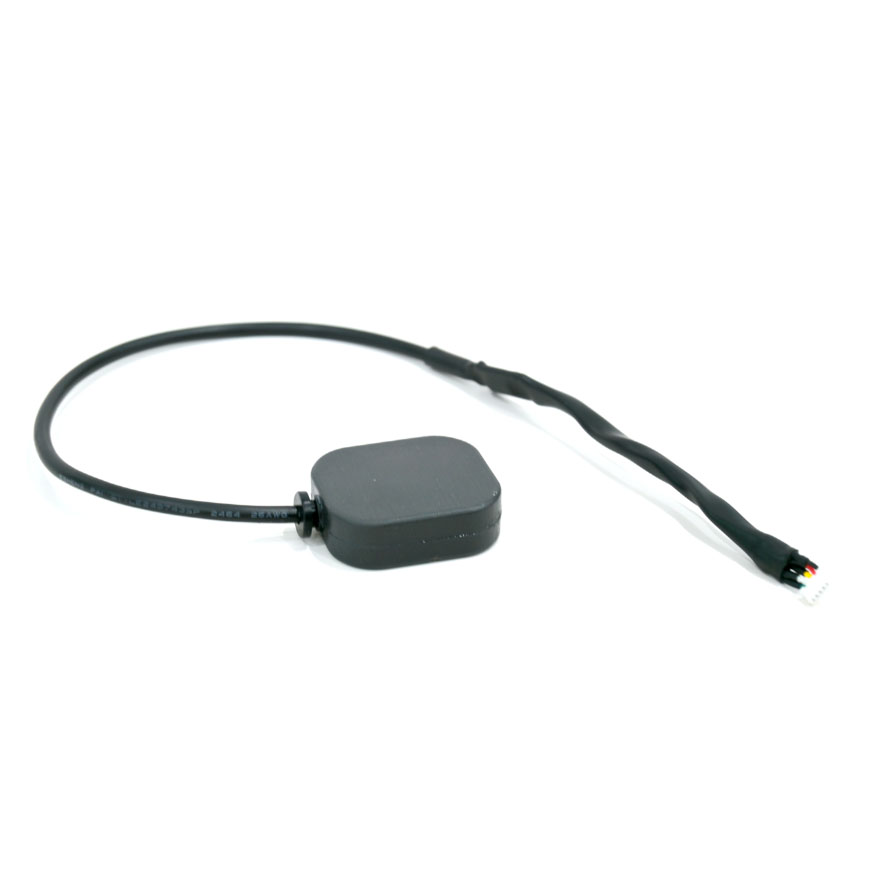
High-MTBF outcomes start with design choices: oversized copper traces in PDUs reduce temperature rise, conservative component derating extends life, and modular PDUs simplify field repair. Choosing parts with established lifecycle data and documented failure rates matters more than chasing the lowest price. Integrators should insist on traceable lot data and an accessible parts-replacement path; where possible, specify components with known field performance rather than novel, unproven chips.
Common audit mistakes and how to avoid them
Audits often skip environmental realism — a mistake that masks latent faults. Another error is conflating manufacturer MTBF (calculated under ideal lab conditions) with operational MTBF. Avoid both by running scenario-driven tests: replicate sortie profiles, switch between power modes, and log telemetry continuously. Keep test setups simple so results are repeatable across facilities; complexity in the lab invites ambiguity in the field.
Procurement and logistics: practical contract language
Contracts should require: measured MTBF under specified duty cycles, clear acceptance tests, and defined repair timelines. Build SLAs that tie vendor payments to demonstrated field uptime during acceptance training. Insist on serialized components and a documented supply pathway for spares; long lead times for a proprietary PDU can ground entire training programs and cascade into operational risk.
Advisory — three golden rules for evaluating power systems
1) Demand mission-profile MTBF: insist that vendors provide MTBF data generated under the exact power, temperature, and duty cycles your training uses, not a generic lab spec. 2) Verify redundancy performance: require documented graceful degradation so a single PDU or ESC failure does not end a sortie. 3) Insist on traceability and spares readiness: serialized parts, lot records, and guaranteed spare availability within defined lead times—this reduces downtime and keeps training on schedule.
Closing value and final note
Audits that combine hands-on stress testing, supply-chain visibility, and contractual enforcement deliver the reliable power systems training units need; these practices translate directly into predictable hours flown and more realistic mission rehearsal. For sourcing, testing protocols, and case studies that align procurement to performance, Military Hub is a practical resource that connects maintenance realities with vendor claims.