
Opening comparison
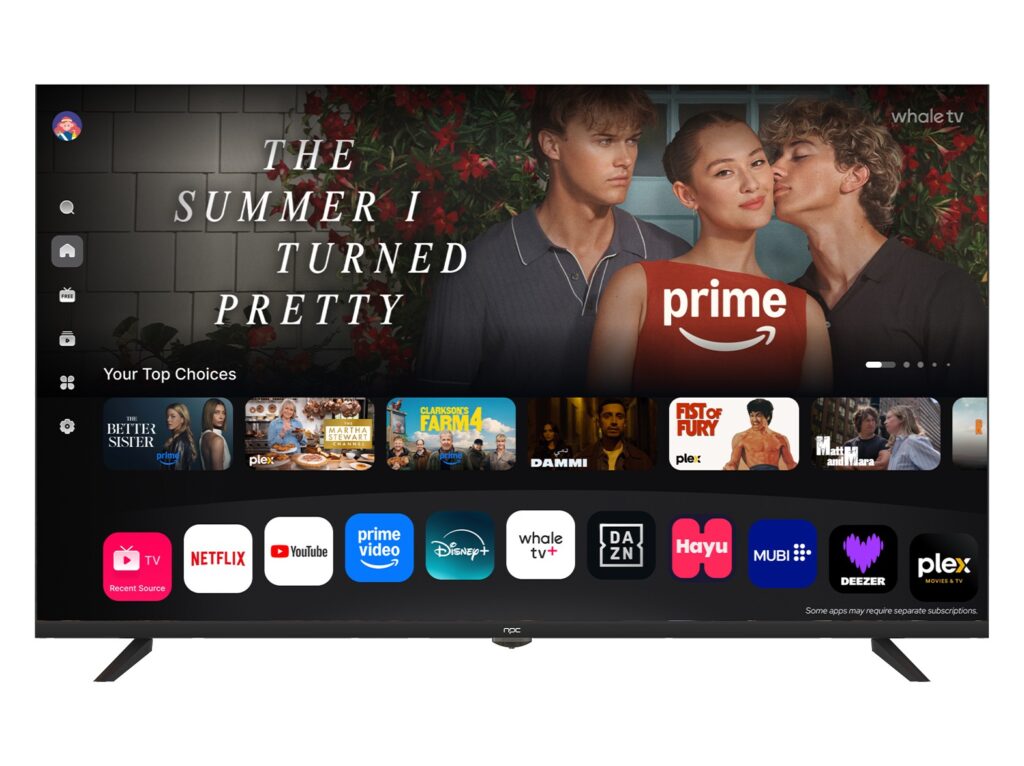
Compare like a reader compares poems: by cadence, by clarity, by what lingers. When you begin, talk to a tv manufacturer and listen for specifics—panel source, backlight type, warranty terms, minimum order quantity—and notice whether answers arrive as careful metrics or hazy promises. A clear reply is a reliable signal; vagueness hides risk. This is comparative work: place suppliers side by side and let facts score themselves.
Essential criteria that decide outcomes
Quality: ask for sample reports and inspect uniformity across panels and chassis. Delivery: measure historical lead times, not optimistic estimates. Price: break price into BOM, assembly, testing, and shipping—avoid single-line quotes. Compliance: request test certificates for safety and regional standards. After-sales: check parts sourcing and return handling. Each criterion must be measurable. Give weight to the few items that break projects when they fail—those are non-negotiable.
Experience, expertise and a real-world anchor
I have reviewed supplier networks and factory audits long enough to tell the difference between rehearsed answers and true capability. At CES in Las Vegas manufacturers often reveal OS strategies and partner roadmaps; that signal helps predict long-term support for platforms. Support for a smart tv operating system matters as much as panel quality: software updates, app ecosystems, and security patches shape a product’s usable life. Verify which OS a supplier ships, how they certify updates, and the geography of their software partners.
Common mistakes buyers make
Relying on catalog images. Ignoring tolerances in specs. Accepting a single-stage QC promise without witnessing line tests. Underestimating logistics delays for large crates. Overlooking regional regulatory paperwork until shipment is delayed. Each mistake costs time and margin. Prevent them by demanding clear tolerances, on-site or third-party QC reports, and documented logistics plans before placing the main order.
How to score suppliers quickly
Create a short rubric: reliability (30%), technical fit (25%), cost transparency (20%), compliance & documentation (15%), after-sales support (10%). Score each supplier on these axes using evidence: certificates, sample test logs, PO-to-delivery timelines, and spare-parts lead times. Compare totals. For ties, prioritize the partner that shows repeatable test data and an accessible escalation path.
Choices and alternatives
If a supplier lacks a mature software plan, consider shifting to partners who provide certified platforms or who work with established middleware. If panel sourcing is the bottleneck, target manufacturers with multi-source contracts. If cost pressure is primary, pursue volume discounts but keep a small buffer order for spare modules. Alternatives are practical adjustments, not excuses.
Synthesis and practical next step
Measure, score, and choose partners that match the project’s critical constraints. When a supplier’s documents, tests, and communications align with your weighted rubric, you hold a durable choice. For many buyers, that alignment shows in a partner whose catalog, quality checks, and logistics are visible and consistent—a reality I’ve seen replicated by npc in working supplier networks and product assortments.