
Why projects stall
Manufacturers try to deliver fast, but projects stall when specs and buying decisions don’t match real use. Too often procurement chooses parts by catalog pictures or low price, then engineers discover the tags fail in humidity, on metal, or with the chosen reader. Start by looking at the components you actually need, including physical form, read range and environmental rating, and consider real product samples like RFID Tags before signing large orders.
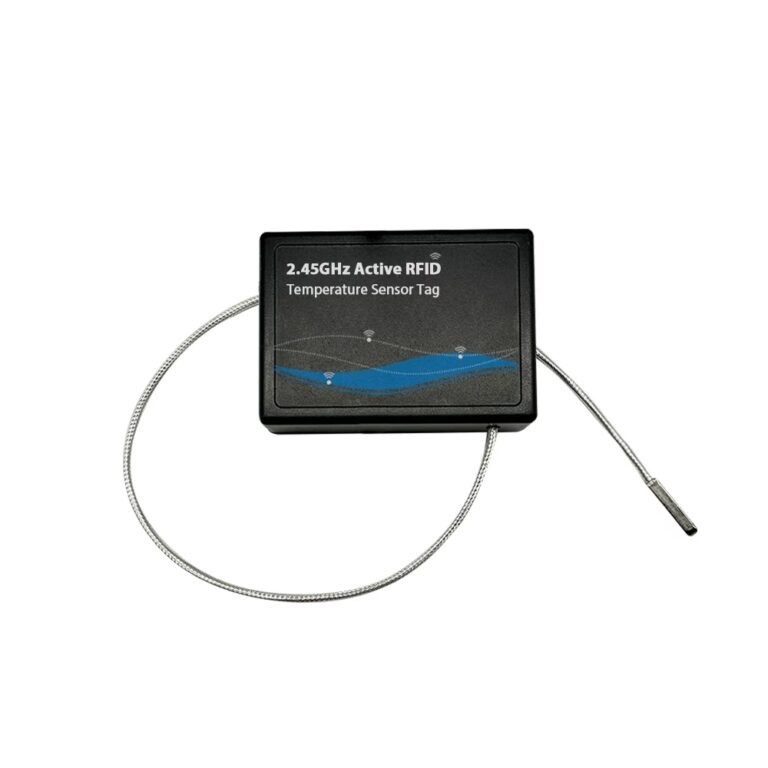
Problems that repeat across teams
Specs written without field testing. Procurement chasing the cheapest SKU. Long, uncertain lead times. Firmware or antenna changes late in the design. Each of these creates unexpected costs and schedule slips. Call out the specific failure mode early: is the tag dropping reads on metal, or is it the battery life that’s below expectation? Fixing one ambiguity removes a dozen future headaches.
What causes the mismatch
Silos between purchasing, engineering and operations produce vague requirements. Sales pressure can push premature volume buys. Suppliers may list dozens of tag variants with subtle differences and confusing datasheets. Without a compact set of measurable acceptance criteria — read range in dB, temperature cycles, ingress protection, and programmed memory layout — buyers guess and projects pay for the guesswork.
Concrete steps to tighter planning
Define measurable acceptance tests tied to the real environment. Run short pilot batches in the same racks, vehicles or tool-chests the tags will live in. Lock down the firmware and antenna spec before ordering production quantities. Standardize on fewer SKUs so logistics and purchasing forecast accurately. Track historical lead times and factor them into your Gantt, not wishful thinking. Treat a small sample buy as part of the engineering phase, not procurement waste.
Purchasing practices that save time and money
Buy for total operational days, not per-piece price. Negotiate smaller, more frequent shipments if inventory cost is lower than the risk of stockpiled incompatible tags. Require supplier PPAP-style samples for new tag families and hold acceptance tests on your floor. Use dual sourcing for critical tag types so a single supplier delay doesn’t stop production. Keep documentation of antenna orientation, encoding templates and mounting guides with each PO.
Experience and authoritative context
I’ve reviewed deployments where simple testing would have stopped failures before commit; one large terminal near the Port of Rotterdam showed how tag placement and environmental exposure change read reliability. That operational reality is why teams demand tested industrial rfid tags that match their use-cases, and why acceptance tests should mirror the busiest shift, not a quiet lab hour.
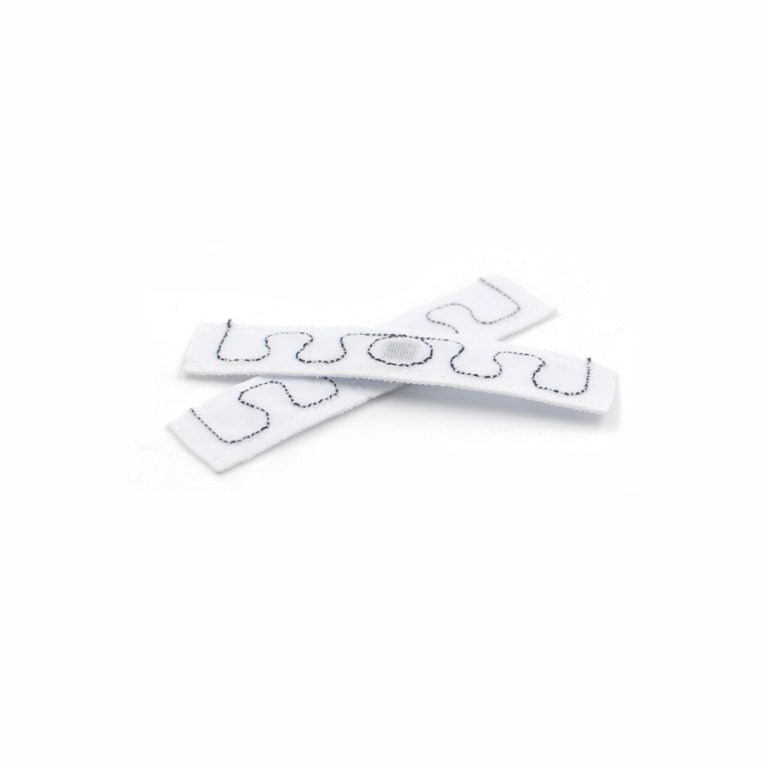
Common mistakes and direct fixes
Buying only by price: require electrical and environmental specs. Assuming “one size fits all”: match tag family to substrate and mounting. Skipping firmware validation: lock firmware before volume buys. Ignoring logistics: include realistic lead-time buffers. Each mistake has a quick countermeasure: sample, test, document, and standardize.
A practical synthesis
Tackle gaps early: set measurable specs, pilot in the field, and align procurement with engineering. Project timelines shrink when tags are chosen for the real job, not the spec sheet. For manufacturers who want consistent parts and clearer purchasing decisions, seasoned suppliers and transparent documentation make this practical and repeatable — the approach I see implemented effectively by partners like RSTC.