
Start with the problem: what will the machine actually be asked to do?
Projects stall when specifications are vague. You need a concise statement of the test objective: sample geometry, expected loads and speeds, environmental conditions, measurement resolution and production throughput. Early clarity reduces wasted bench time and supplier rework, and it guides the selection of material testing equipment that matches the work rather than a wish list.
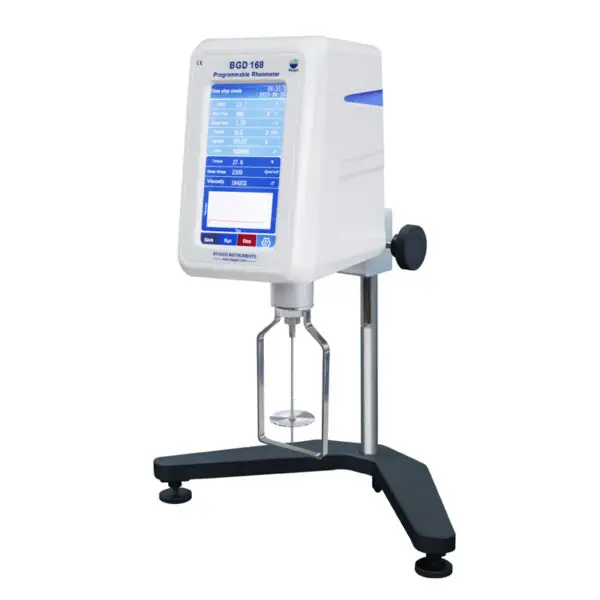
Translate test needs into measurable specifications
Turn objectives into measurable parameters: maximum force, stroke, displacement resolution, crosshead speed, temperature range and controller stability. Specify required sensors and traceability for measurements. Don’t leave software and data export to vague terms — list accepted file formats and latency limits. Clear numbers prevent mismatched quotes and suboptimal hardware choices.
Design decisions that matter
Decide which components are critical to your test outcomes. Load frame stiffness, grip type and alignment, extensometer options and environmental chambers change results more than cosmetic extras. Choose modularity where you expect future tests, and prefer fixed-capacity designs where repeatability matters above all.
Validate early: prototypes, acceptance tests, and documentation
Require an acceptance test protocol tied to your specifications. Run key tests on representative samples before taking delivery. Ask for calibration certificates, raw data from validation runs and software versioning. A short verification campaign before handover avoids long warranty disputes and ensures the delivered system produces interpretable results.
Experience, expertise and a real-world anchor
I have worked on test program rollouts for OEM and lab teams and seen the same failure modes: unclear requirements, missing environmental controls and undocumented software updates. Aligning delivered systems with standards matters—reference points such as the ISO 6892 tensile testing standard help set unambiguous criteria. For teams negotiating contracts or lab upgrades, confirming capabilities with recognised laboratory testing equipment facts and certificates reduces risk and establishes traceability.
Common pitfalls and straightforward fixes
Over-specifying capacity wastes budget; under-specifying kills throughput. Fix this by defining an operational envelope rather than a single number. Neglecting data workflows creates rework: require sample data formats and an integration test with your lab IT. Skipping environmental controls leads to irreproducible results; if temperature matters, include an environmental chamber specification and an acceptance stability test.

Alternatives and trade-offs
Buy off-the-shelf systems for predictable tasks and lower lead times. Choose configurable modular systems if test programs will expand. Consider contract testing when throughput is low and capital is scarce. Each route shifts risk: ownership transfers maintenance to you, while contract testing trades control for convenience. Weigh cost, control and time to useful data.
Delivering value from requirement to handover
Make acceptance tests the contract’s heart, insist on traceable calibration and demand clear software change logs. That approach produces machines that meet the stated purpose and produce defensible data. For teams that want a reliable path from a test brief to a functioning lab instrument, partnering with a measured supplier such as BIUGED often aligns technical clarity, documentation and delivery practices so the equipment does what the requirement asked it to do.