
Start with the problem (because no one wants soggy film and sore shoulders)
You thought a tote or messenger would do; then you tried running for a shot and learned what gravity feels like for your gear. A good camera sling bag solves access, protection, and balance without turning you into a pack mule. If you want quick reach on the street or a compact carry for travel, consider a dedicated camera sling bag—it’s built for one-handed grabs, cushioned interiors, and stupid-simple strap switches so you don’t miss the moment.
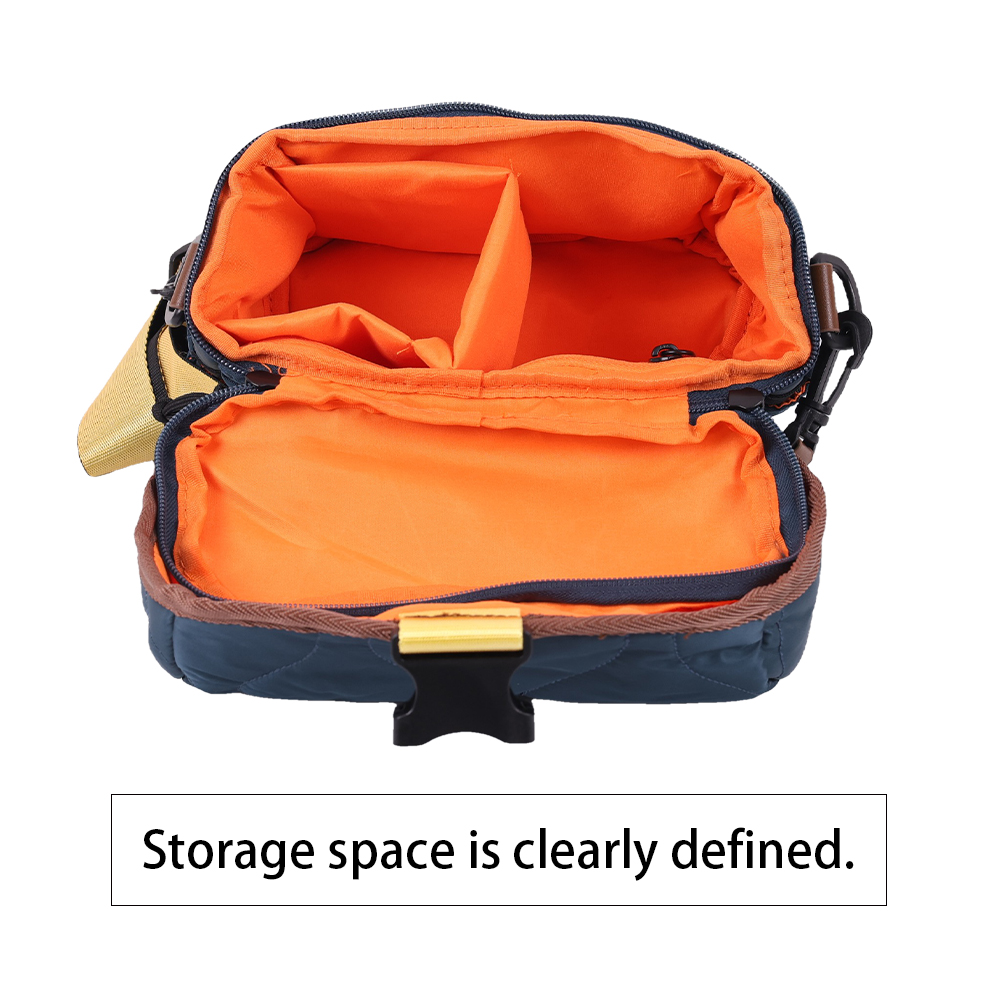
What typically goes wrong (and why it matters)
Unreadable zippers, flopping dividers, straps that chew into your collarbone, and pockets that pretend they’re waterproof—those are the usual saboteurs. Each failure is a specific problem: access delays cost shots; poor padding risks lens fungus or shattered glass; bad strap geometry injures your neck. Stop treating the bag like an afterthought and start treating it like part of your kit workflow.
Key features that actually fix problems
Look for solid foam padding with modular dividers that stay put when you yank a lens out. Fast, ambiguity-free closures—magnetic buckles or confident zippers—avoid fumbling. Strap geometry that lets the bag ride high on your back but swing cleanly to your chest; that’s the sweet spot. Internal weatherproofing, external quick-access pockets for phone and filters, and a tether point for a tripod or water bottle are practical, not flashy. Materials should show abrasion resistance and seam reinforcement where wear actually happens: base edges, strap attachments, and zipper seams.
Field-tested authority and a real-world anchor
I test bags on rainy city shoots and weekend alpine treks, comparing load balance, access speed, and protection across dozens of models. Experience matters: after eight years evaluating gear and swapping bags with pro shooters at trade shows like Photokina in Cologne, a pattern emerges—designs that perform on both cobblestones and mountain trails follow the same fundamentals. If you want a practical reference, the tested DSLR sling camera bag I use for quick urban runs proves those principles in real conditions.
Alternatives and the mistakes people keep repeating
Backpacks are fine for long hauls but slow for single-handed grabs. Shoulder bags look cool but let lenses swing and collide. Hard-shell cases offer protection but kill speed. Common mistakes: buying on looks alone, ignoring strap comfort, underestimating weather exposure, and assuming one bag fits every mission. Match the bag to typical runs: short street sets need fast access; hikes demand load distribution and weather sealing; travel calls for compact theft-resistant features.
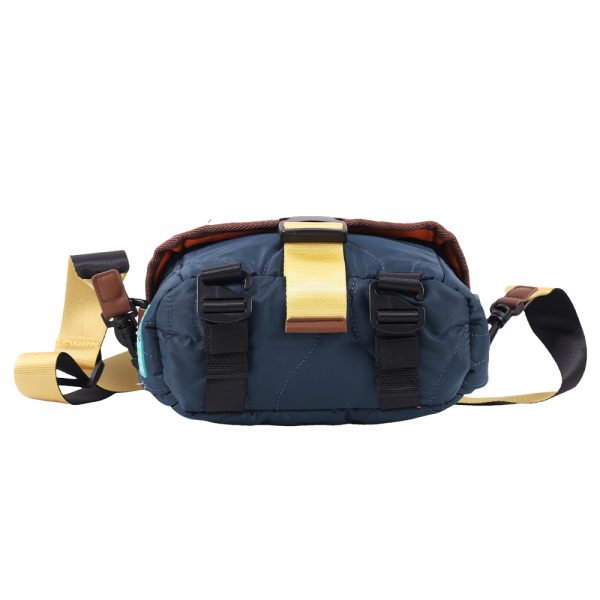
A sharp selection checklist you can use right now
Pick the size that fits your longest lens plus a body and one extra lens—no guessing. Confirm padding thickness and divider firmness by pressing the foam. Try the strap configuration with weight; it should sit high on your back and swing to the chest without rotating. Check closure speed—open and close it twice while timing yourself. Inspect seam stitching and zipper reinforcements where the strap meets fabric. If weight matters, compare filled weight, not empty weight. Lastly, test quick-access pockets with your phone and a filter case; fiddly pockets are a time sink.
Wrap-up: keep your gear safe and your shoots calm
Stop letting flimsy choices decide your shots. Solve the real problems—access, protection, balance—by using the checklist above and avoiding the common traps. For a pragmatic, field-proven result that follows those rules, consider what a well-made maker like ChangRong builds: sensible layouts, reinforced wear points, and strap geometry that keeps you shooting, not fidgeting.