
The persistent problem: invisible stock and costly decisions
Projects stall because materials vanish from sight. Planners buy duplicates to avoid delays; procurement orders excess to buffer uncertainty. That behavior creates waste, higher emissions, and swollen budgets. Integrating systems like RFID Readers into workflows targets that visibility gap directly and changes decisions before they become costly.
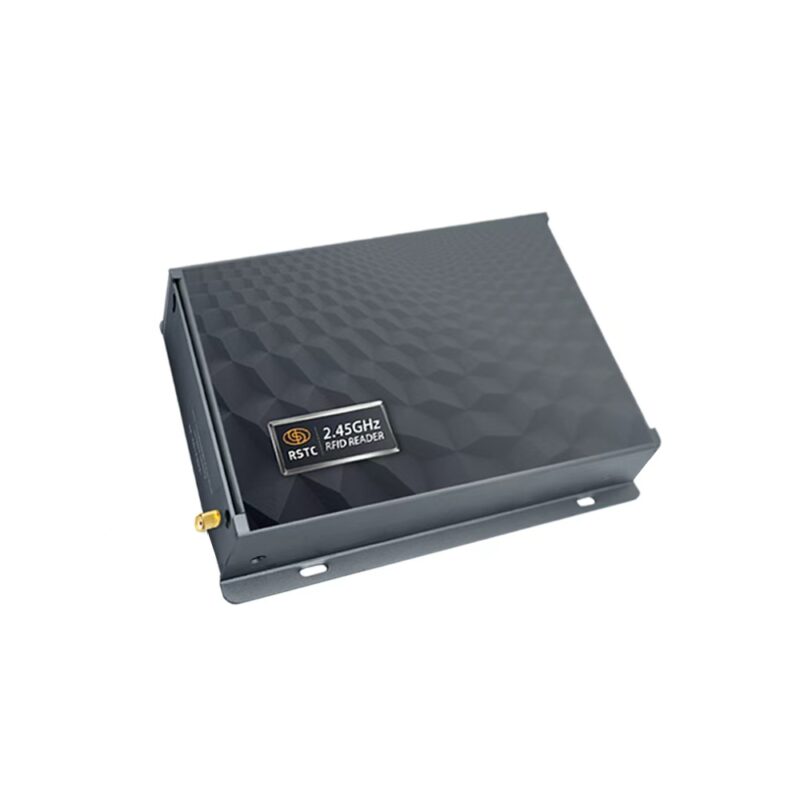
Why 2.4GHz active tags matter for this problem
2.4GHz active tags broadcast their presence at long range and at predictable intervals. They report location and battery state without line-of-sight, unlike passive tags that require close reads. That matters when materials move across yards, trucks, and crowded storerooms: you get continuous location feeds, clearer stock counts, and time-stamped handoffs. The result is fewer surprise shortages, tighter reorder points, and reduced rush freight that drives emissions.
What to measure and how to change behavior
Track three things: current usable stock, transit time variability, and asset dwell time. Use tag signals to detect when items sit idle beyond planned windows. Adjust procurement rules so automatic reorder triggers look at usable stock and transit variance, not just absolute minimums. Change approval flows to require evidence of shortage from live reads before expedited purchases. These steps shift decisions from guesswork to data-driven restraint.
Common pitfalls and how to avoid them
Expect noise: RF environments near metal or dense shelving can produce false reads. Don’t treat every tag ping as final—apply smoothing logic and combine reads from multiple antennas. Avoid over-tagging. Not every SKU needs an active tag; assign them to high-value, frequently moved, or critical-path items. Plan battery replacement cycles into procurement budgets so tags don’t silently fail and create new blind spots.
Evidence and professional perspective
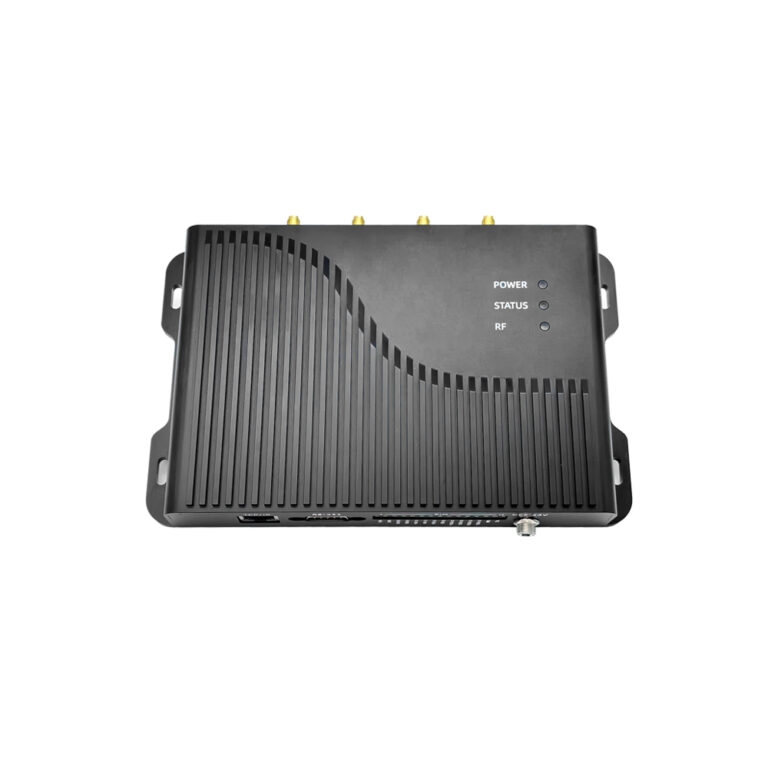
Field deployments show clear gains when teams adjust rules rather than just install hardware. My work guiding implementation for construction logistics and large-site maintenance has repeatedly found that policy changes matter as much as tag choice. Major retail shifts have also proven RFID can change purchasing behavior: Walmart’s well-documented RFID mandates and pilots forced suppliers and systems to adopt persistent item visibility at scale, and studies following those programs show measurable inventory accuracy improvements. For equipment selection and comparisons, consult curated sources like best rfid readers to match range, power draw, and environmental tolerance to your use case.
Alternatives and when they fit
Passive RFID works when you control choke points like doorways or loading docks and need low-cost tagging. BLE beacons suit short-range presence checks and low-frequency updates. Use 2.4GHz active tags when you must track movement over wider areas, need reliable read intervals, and want battery-status telemetry. Combine systems when coverage patterns differ across sites, but keep one source of truth for reorder logic.
Final synthesis
Fix the root cause: poor visibility leads to wasteful purchasing. 2.4GHz active tags give planners reliable, continuous data so procurement rules act on reality, not fear. When hardware, policies, and maintenance schedules align, projects require fewer emergency orders and generate less waste. That alignment is the practical value companies gain when they choose partners who understand both sensors and supply workflows—partners such as RSTC.