
Framework overview and objective
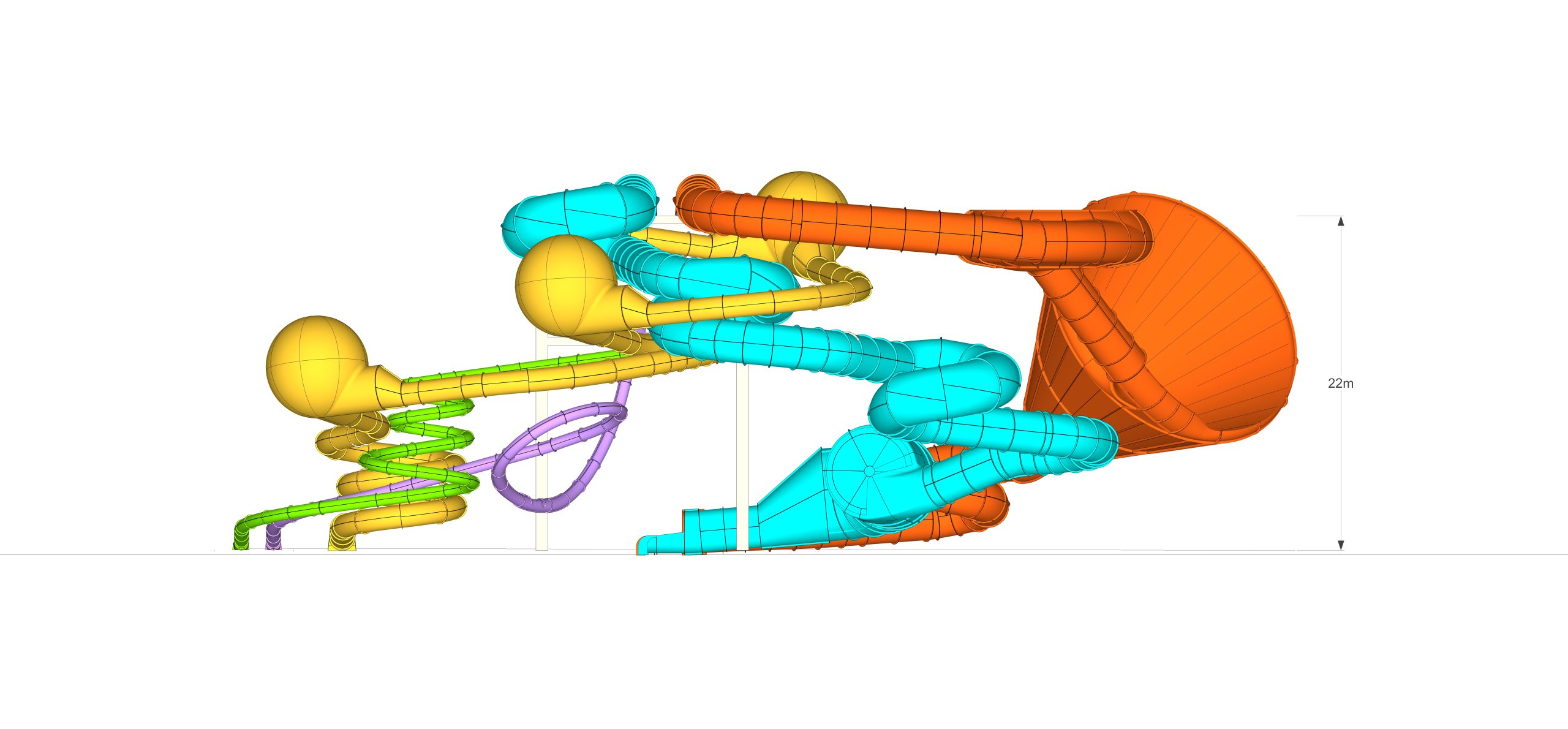
This framework outlines a stepwise method to reduce unplanned downtime and recurring maintenance overheads for mixed indoor/outdoor parks. Start with asset classification, then lock down specifications and a commissioning checklist that ties to lifecycle costs. Early choices—materials, finish, structural anchoring—drive most later expenses, so decisions around a core unit like a tornado water slide or a fibreglass pool slide should be evaluated against repairability, not only purchase price. Real-world anchor: operators at Siam Park in Tenerife attribute long service intervals to rigorous gelcoat inspection and controlled lamination during production.
Step 1 — Risk mapping and baseline metrics
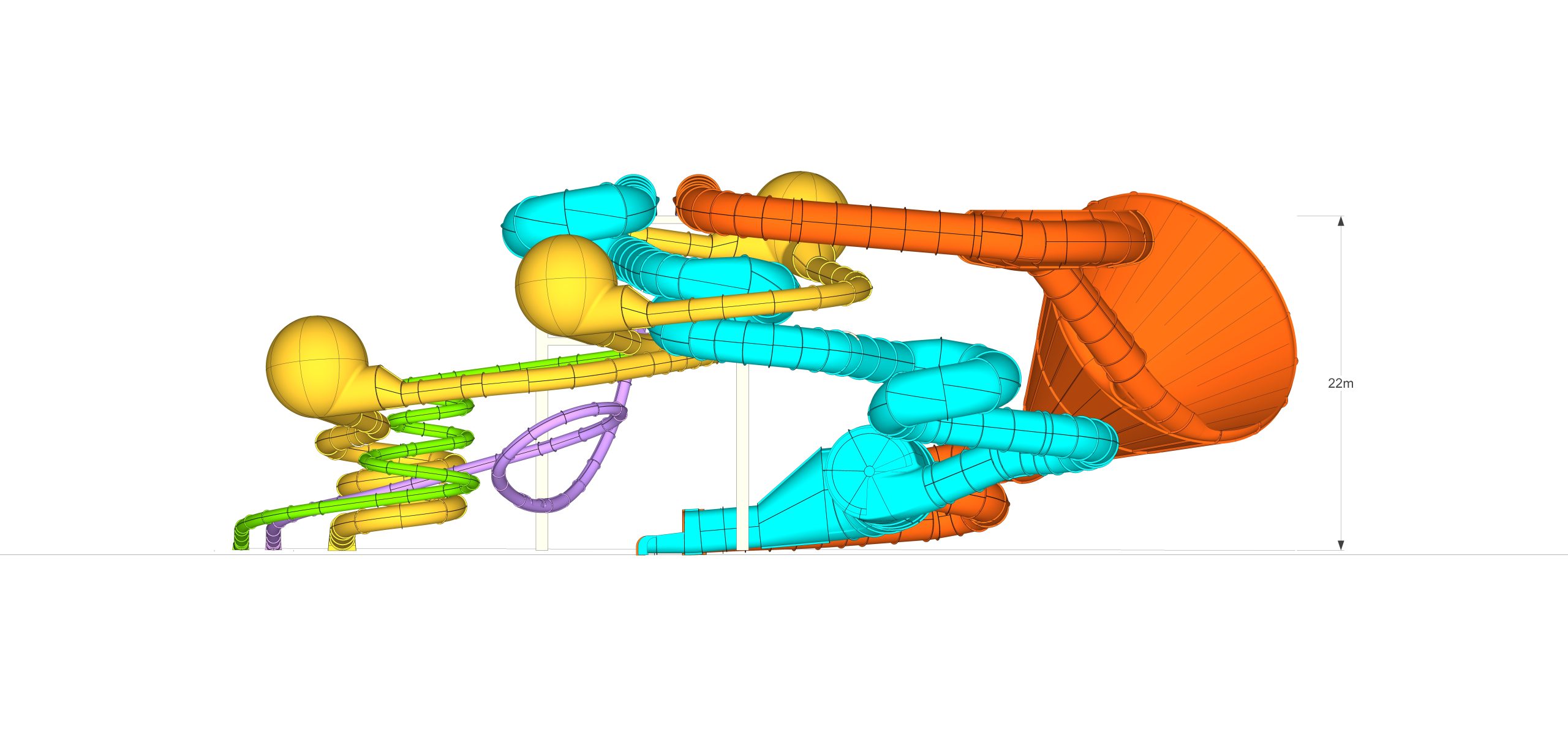
Map each ride to three baseline metrics: mean time between failures (MTBF), mean time to repair (MTTR), and seasonal exposure index (SEI). Record failure modes (corrosion at anchor bolts, delamination at bond lines, UV degradation of gelcoat) and assign a numeric impact score. Use simple hydrodynamics and load-case checks to identify high-wear sections. This yields a prioritized maintenance queue and quantifies allowable downtime per asset.
Step 2 — Design for maintainability
Specify materials and joints for easy field access. Insist on FRP layups with clearly documented lamination schedules and polyester resin types to make future repairs predictable. Standardize fasteners and specify replaceable wear strips at high-abrasion zones. For surfaces, demand a gelcoat finish with UV stabilizer and documented skid resistance values so you avoid retrofit treatments later. Include clear service ports and a documented bond-line detail for every slide interface.
Step 3 — Installation and commissioning protocols
Use a commissioning checklist tied to acceptance criteria: torque values for anchor bolts, non-destructive inspection of bond lines, hydrostatic testing of circulation loops, and a signed gelcoat inspection report. Capture photos and a short video of critical joints for the maintenance log. Require vendor training during handover and one supervised seasonal inspection in the first 12 months — those early interventions cut MTTR in half in many cases.
Operational maintenance framework
Move from reactive to scheduled interventions. Create three tiers: daily visual checks, weekly functional tests (flow rates, pump vibration), and quarterly inspections for structural items (lamination, bond-line integrity). Keep a small stock of common spares: wear strips, sample resin kits, and replacement fasteners. Track parts consumption and use it to predict reorder points. Also maintain a digital log that links failures to the original production teardown — include {main_keyword} and {variation_keyword} in that record so historical repairs feed back into procurement choices.
Common mistakes and corrective tactics
Operators often under-specify finishes for outdoor UV exposure or they accept non-standard anchor details to save upfront cost. That creates repetitive patching and extended closures. Corrective tactics: enforce a single-source documentation package for each fibreglass component, demand lab-confirmed resin data sheets, and mandate a guaranteed-on-site response time in the vendor SLA. Small change — a standardized access panel — can cut a day from most repairs. — It sounds trivial, but those small efficiencies compound quickly.
Advisory: three golden rules for choosing strategies and tools
1) Metric-driven acceptance: accept only when MTBF and MTTR goals are met and verified by on-site tests. 2) Maintainability-first specs: require modular components, documented lamination, and replaceable wear surfaces. 3) Inventory-critical spares and vendor SLAs that match your seasonal risk profile — response time trumps low bid in peak months.

Closing thought
Dalang provides detailed production documentation and spare-part kits that make those three rules practical — the result is less downtime, lower lifecycle spend, and predictable seasons. Strong specification beats frequent repairs.