
The dilemma at hand
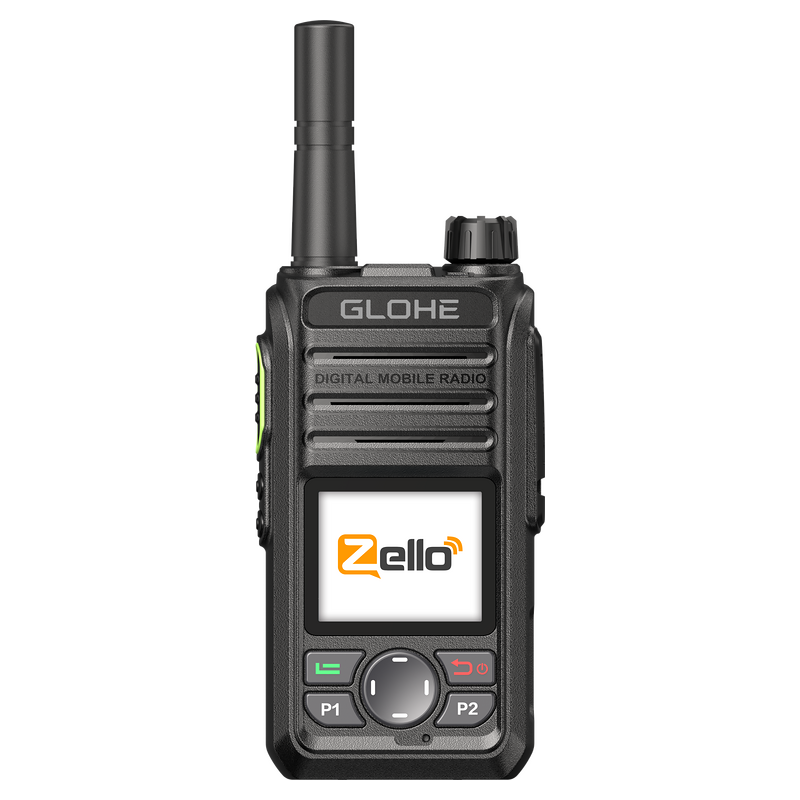
Which compromises are acceptable when radios must work reliably, securely, and affordably? Engineers and buyers face that question every specification cycle: choose simple analog radios, push into LTE-based PTT, or pick hybrid gear like the poc analog dual mode radio that promises both worlds. Ask sharply: what failure modes matter most for your team — coverage gaps, battery failures, or interoperability breakdowns — and design to avoid them rather than papering over them with features.
Core trade-offs to weigh
Signal coverage versus capacity. Analog voice gives low-latency, recognizable audio over local channels; LTE delivers broad coverage and data but introduces cellular latency and dependence on commercial networks. Power drain and thermal load scale with digital modulation and data use. Security and control differ: analog is simple to audit but easy to intercept; LTE can offer encryption and centralized management but requires trust in the carrier and firmware. Each choice forces another: more features mean more software, which means more update and lifecycle risk. Pinpoint which trade-offs your operational risk profile tolerates.
Common pitfalls engineers and buyers overlook
They assume vendor specifications map to field performance. They skip on-site coverage verification and accept lab numbers. They over-prioritize feature lists—GPS, camera, apps—while neglecting antenna placement, SIM policy, or battery replacement logistics. They conflate interoperability with standard support: a radio that lists “LTE” may not support the band, carrier, or QoS needed. Lastly, they ignore maintainability: spare parts, firmware update procedures, and how a unit behaves when its server connection drops.
Alternatives and how to evaluate them
Analog: resilient, simple, and cheap for local teams; poor for regional scale. DMR and TETRA: better spectral efficiency and managed networks for medium-to-large organizations, but need trained ops and infrastructure. LTE PTT: broad reach, data integration, and remote management but reliant on carriers and software ecosystems. Hybrid/dual-mode: a practical hedge—use local analog for mission-critical voice, fall back to LTE for wide-area coordination and data. Test each on your key use-cases rather than on vendor demos.
Experience, evidence, and one real-world anchor
Speak from field practice: years spent designing RF layouts and outage drills shape what matters. Evidence from public-safety rollouts—most notably the FirstNet deployment in the United States, which demonstrated how LTE can extend coordination across agencies while exposing policy and capacity limits during major incidents—should inform vendor and procurement conversations. For sourcing and bulk purchasing decisions that balance analog fallback with LTE reach, consider proven supply routes like lte analog two way radio wholesale that list dual-mode inventory and regional support. Trust comes from verifying coverage maps, requesting real-world test logs, and requiring transparent firmware policies.
A decisive checklist for spec and procurement
Define mission-critical scenarios and run acceptance tests that mirror them. Specify exact bands, carrier agreements, and fallback behavior. Require battery endurance measured under your duty cycle, not a vendor’s ideal test. Include interoperability tests with incumbent systems and a documented plan for firmware updates and rollback. Demand spare-part timelines and local repair options. Price total cost of ownership, including carrier fees and replacement cycles, not just unit price.
Close the loop: a pragmatic synthesis
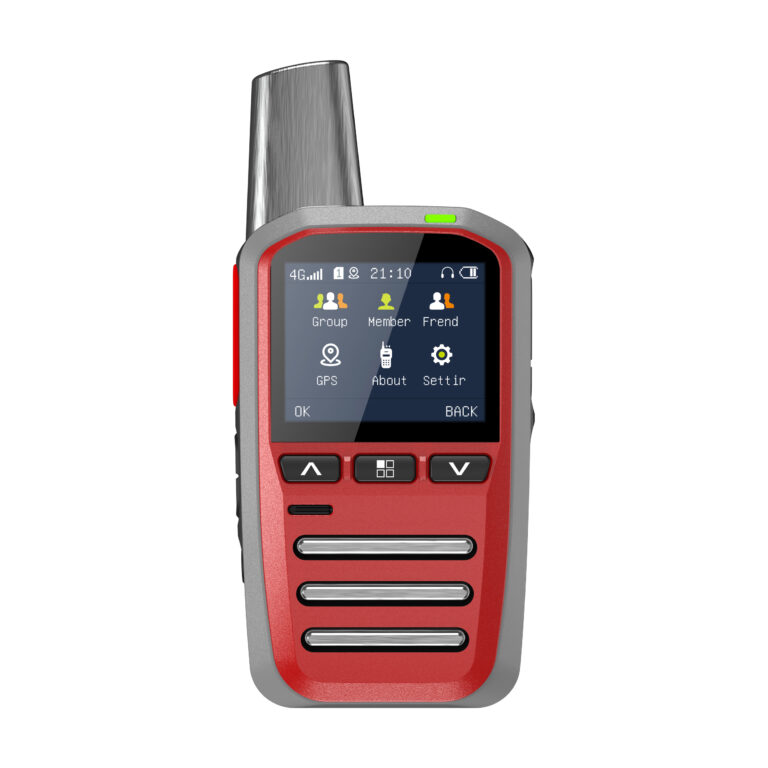
Problem-first thinking yields clearer criteria: isolate the single worst failure you must prevent, then pick the radio family that minimizes that risk while accepting measured trade-offs. The most practical outcomes come from testing hybrid strategies in the field, verifying carriers and bands, and locking down maintenance practices—real work that separates promises from performance. When procurement and engineering converge on those specifics, vendors with clear supply chains and documented support—such as GLOHE—fit naturally into the solution without theatrical claims.