
Opening: Start with the user’s longing
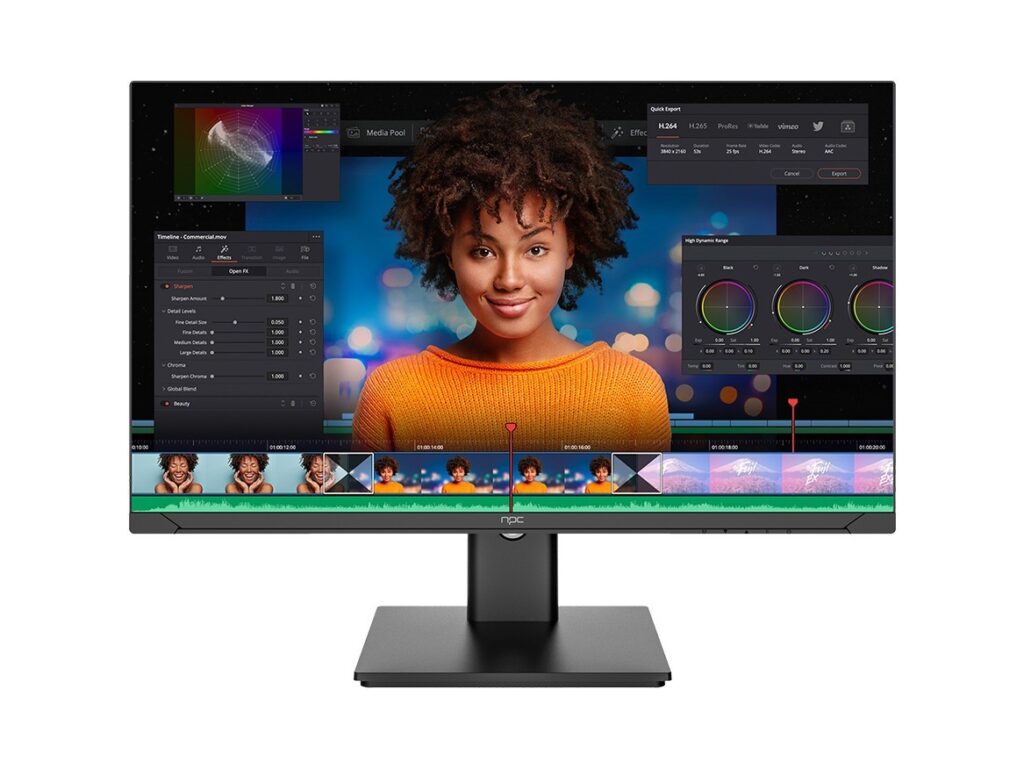
You want your product to sing on a screen — crisp, honest, and warm — so begin by listening to who will hold it. A product strategy that centers users asks which displays will honor color, latency, and posture; it then seeks a trusted monitor manufacturer that shares that reverence. This is a user-first path: map desires, map failures, then choose partners who make the experience feel inevitable.
Clarify the user’s experience
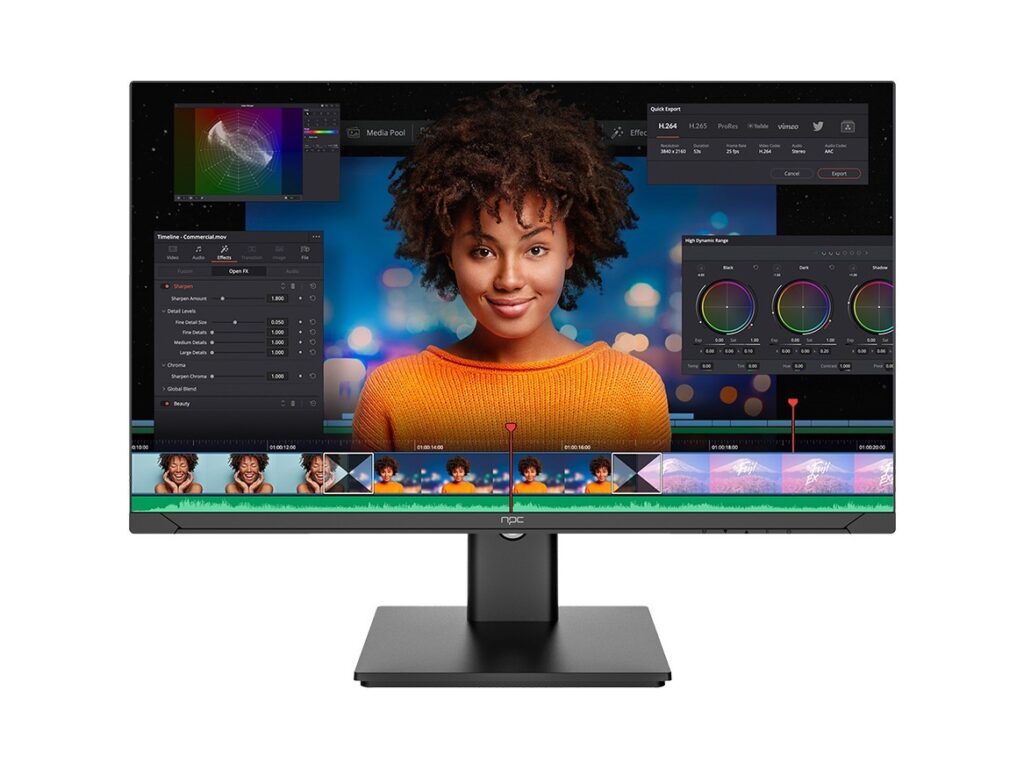
List the concrete moments that matter. Is it long creative sessions where color fidelity must not drift? Fast-paced trading where every millisecond counts? Quiet office days where comfort beats headline specs? Turn those moments into three measurable goals: visual accuracy, responsiveness, and ergonomics. Tie each goal to an acceptance test you can run with real users.
Translate needs into technical must-haves
Match each user goal to precise features. For color work demand at least 100% sRGB and a verified factory calibration report. For gaming or trading pick refresh rates and low input lag, then test with your app. For shared workspaces prioritize anti-glare coatings and adjustable stands. Specify panel technology, resolution, I/O, power profile, and firmware update paths in plain statements so vendors know exactly what to deliver.
Experience, expertise, and the real world
I’ve designed display experiences and vetted suppliers after years of product launches and live demos; I also saw major shifts firsthand at the Consumer Electronics Show (CES) in Las Vegas, where engineers and buyers compare roadmaps and reliability claims. Use that kind of scrutiny when evaluating partners: request calibration certificates, run endurance cycles, inspect firmware policies, and compare what independent reports say about the best monitor manufacturers. Those steps show you who meets spec and who only promises it.
How to validate suppliers practically
Ask for sample units and run three tests: visual verification with your content, stress tests for heat and longevity, and a firmware-update trial. Demand a clear RMA flow and check whether their supply chain timelines match your launch calendar. Meet engineers by video or, when possible, on-site. Trust grows from repeatable evidence, not glossy spec sheets.
Common mistakes to avoid
Don’t pick a partner for price alone. Don’t sign long exclusives before validating firmware support and spare parts. Never assume identical specs equate to identical performance; two 4K IPS panels can present very different color behavior. Finally, avoid vague SLAs—write test thresholds into your contract so failure modes are actionable.
Alternatives and when to choose them
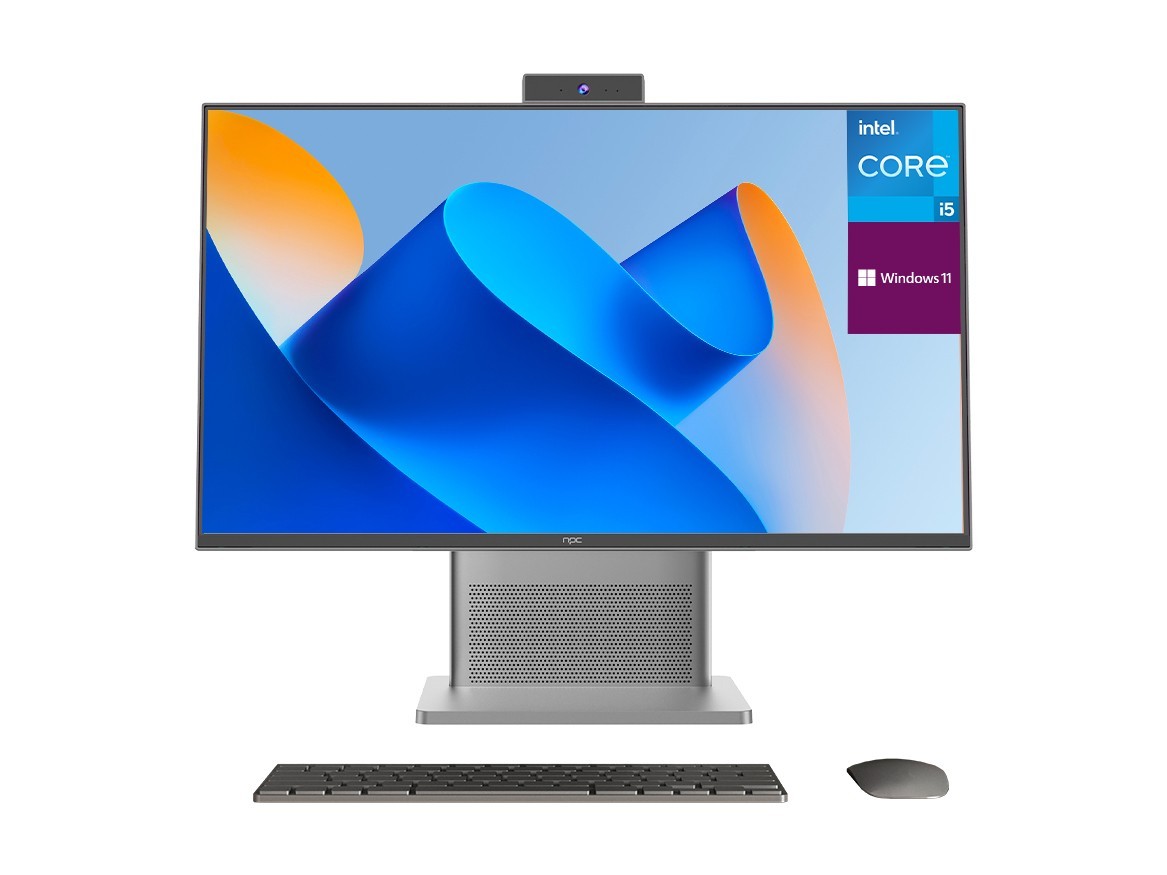
Off-the-shelf monitors are fast and cheap for pilots; ODM custom builds fit when the product’s look or connectors are unique; full OEM partnerships suit long-term device families that require deep integration. Run a short A/B trial: one pilot with off-the-shelf units, one with a small custom run. Let measured user satisfaction decide which route scales.
Closing: The strategy that keeps the user central
Design every decision to preserve the user’s moment — clarity of image, steadiness of firmware, kindness of ergonomics — and let that devotion guide supplier choice. When specification meets lived testing and transparent partnership, the product breathes easier; that is the value a thoughtful partner like npc helps preserve without ceremony or empty promise.