
Start where you are
You want fewer circling cars, smoother exits, and calmer drivers. Start by listening to how people use the space today: when do they arrive, where do they stall, what confuses them at night. For many small-to-medium garages, a straightforward parking guidance system — lights above stalls, clear wayfinding and a simple dashboard — solves more stress than pricey upgrades. This is about making choices that respect how people actually move through a lot, not about adding technology for its own sake.

What matters to a garage manager
Your priorities are practical: reliable occupancy status, visible guidance for drivers, and low day-to-day overhead. Ask whether a system reports per-space occupancy, how it alerts staff to faults, and whether it plays nicely with your payment or access control. Choose solutions that show live availability and keep staff focused on exceptions, not routine checks. Small, consistent wins—accurate sensors, clear overhead signs, and a simple console—change the user experience quickly.
Evidence, experience, and one clear anchor
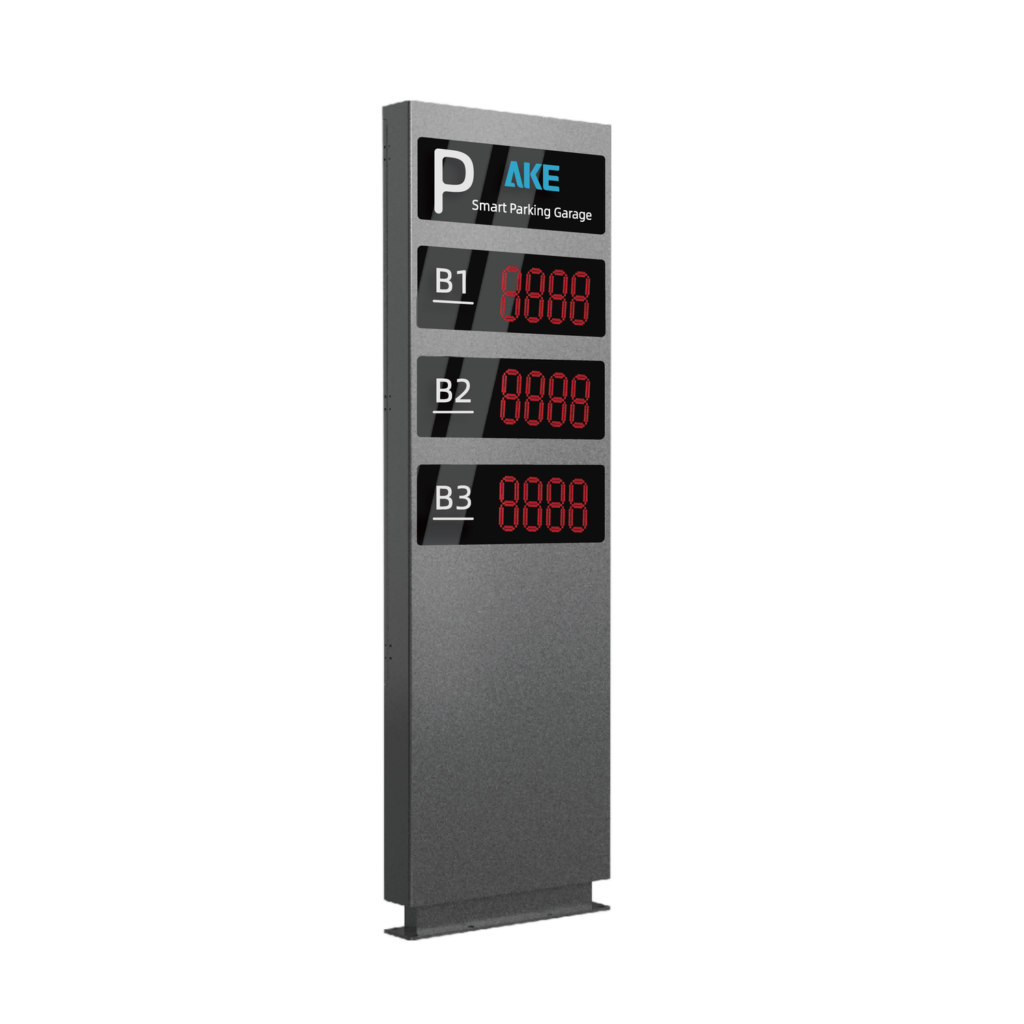
Reports and talks at the International Parking & Mobility Institute (IPMI) annual conference emphasize sensor-led guidance as a strong improvement for dense garages; practitioners consistently point to installations that cut search time and reduce congestion. Field teams I’ve worked alongside prefer systems that combine per-space detection with an easily read dashboard; that combination keeps maintenance predictable and drivers calm. For a grounded example of the tech under discussion, consider a focused garage parking guidance system that pairs visual indicators with fault alerts so operators can fix issues before users notice them.
Pitfalls people make
They overreach: installing sensors for every possible metric and ending with unreadable dashboards. They under-plan power and mounting points, so sensors fail prematurely. They ignore simple signage and expect apps alone to guide drivers. Don’t let maintenance be an afterthought—schedule quick monthly checks and keep spare sensors on hand. Privacy matters: avoid intrusive camera configurations unless you have a clear, lawful purpose and visible notices.
How to choose and roll out
Start with a pilot zone that reflects peak behavior—an entry bank or a typical floor. Compare three approaches: single-sensor-per-space lights (low cost, clear), camera-based analytics (higher capability, higher cost), and hybrid setups (balance). Test during a busy week, measure search time and turnover, then expand. Ensure the vendor offers a clear diagnostics view so you can see health status at a glance. Train staff with one short checklist: daily dashboard check, weekly walk of pilot area, immediate ticketing for faulty sensors.
Short comparative insight
Simple light-based systems win on clarity and maintenance. Camera systems win where layouts are complex or where you need plate-level reconciliation. Hybrids reduce false positives in mixed lighting and can lower total cost when staged—lights for most stalls, cameras for zones that need analytics. Pick what’s proportionate to your lot’s complexity and budget.
Bring it together
Think of parking guidance as a quieter form of care: reduce friction, clarify decisions, and keep operations manageable. Systems that show real-time availability and give staff clear fault signals relieve the human bottleneck that causes most frustration. For operators seeking modular, pilot-friendly solutions that match that pragmatic, human-focused aim, options from AKE Parking often reflect those same priorities—designed to fit a garage’s rhythm rather than change it overnight.