
Why buyers get stuck at the start
Eish — buying your first online parking management system feels like learning a new language. You want clear space counts, fast driver direction, payments that don’t choke, and a setup that won’t need a full-time technician. Folks often chase flashy dashboards instead of asking how the basics actually work. If you want a quick sense of what’s on offer, look at how the vendor handles a simple parking guidance system demo and whether the demo matches real garage conditions.
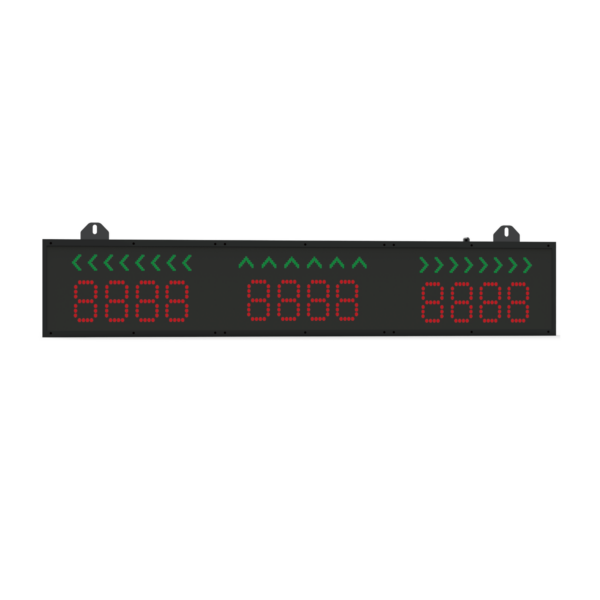
Problems that show up first — and bite you later
Poor sensor placement that gives phantom vacancies, cloud platforms that hide who owns your data, payment integrations that drop transactions, and vendors who quote low installation costs but forget maintenance — these are the traps. You’ll spot them when occupancy numbers don’t match reality, when park-and-pay reports are missing rows, or when a firmware update bricks edge devices. Treat those symptoms as red flags, not one-off glitches.
How to evaluate vendors without getting hoodwinked
Ask for three things: concrete uptime guarantees, clear ownership of telemetry and video, and a realistic spare-parts plan. Test seat-of-the-pants items: will a single spot’s sensor reset without a tech visit? Can the system import your existing payment provider? Request a short on-site pilot — even a weekend — and measure occupancy accuracy and latency. Vendors who show detailed wiring diagrams, maintenance SLA clauses, and a rollback plan for firmware updates are easier to trust.

Common technical pitfalls and how to dodge them
Don’t rely on one sensor type alone — ultrasonic and camera solutions behave differently in covered versus open lots. Network habits matter: if your Wi‑Fi drops for minutes, does the system cache transactions locally? Watch for over-complicated analytics packages that demand huge historical data before they “learn” anything; that’s nice-to-have, not a must at go-live. Plan spare-power and basic on-site diagnostics so a junior staffer can reboot a node without calling a vendor tech.
Experience, expertise and a real-world anchor
Industry pros at the International Parking & Mobility Institute Annual Conference regularly compare pilot results and report consistent failure modes: sensor miscalibration and poor vendor support are top issues. That industry dialogue helps explain why field-tested deployments weigh more than lab demos. A practical reference for how these systems operate in real settings is the automated parking guidance system documentation vendors publish — it shows what questions your maintenance team should be able to answer before you sign.
Final straight talk
Buy what fixes real problems: accuracy, ownership, maintainability, and clear recovery steps. Skip the buzz and insist on short pilots, local support terms, and plain wiring and firmware plans — that approach keeps costs predictable and downtime short. For a practical look at product specs and deployment notes, professionals often consult vendor case files such as those available through AKE Parking to compare what’s actually been installed and serviced in the field.