

Choosing an AI Tutoring Partner: A Problem-Driven Guide for Future-Focused Programs
The decision problem
Picking an AI partner can lock a program into years of friction. Decision-makers face a tight cluster of problems: opaque pedagogy, mismatched workflows, unpredictable costs, and fragile data boundaries. When a district or tutoring operator compares options — whether a bespoke vendor or an AI learning platform — those problems become the real selection criteria, not buzzwords. Start by admitting the core problem: a mismatch between what your learners need and what the chosen system actually delivers.

Why mismatches happen
Most failures trace to three avoidable gaps. First, pedagogical fit: adaptive engines can tune pathways, but only if their content and feedback loops align with your standards and assessment cadence. Second, operational fit: classrooms, tutors, and administrators need low-friction integrations; otherwise the tool sits unused. Third, governance fit: data privacy, storage location, and consent workflows must match policy requirements. When any of these gaps exist, the technology becomes a maintenance burden rather than a multiplier.
Actionable selection criteria
Make choices against concrete checkpoints. Demand clarity on diagnostics: the system should explain its learning path choices in teacher-facing language. Check interoperability: can it push and pull rosters, grades, and lesson states via standard APIs? Probe data handling: where is learner data stored, who holds encryption keys, and how long is data retained? Confirm human workflows: how much prep does a tutor need to use the tool effectively? Finally, budget beyond license fees — include onboarding, content adaptation, and ongoing support.
What an effective AI tutoring component should do
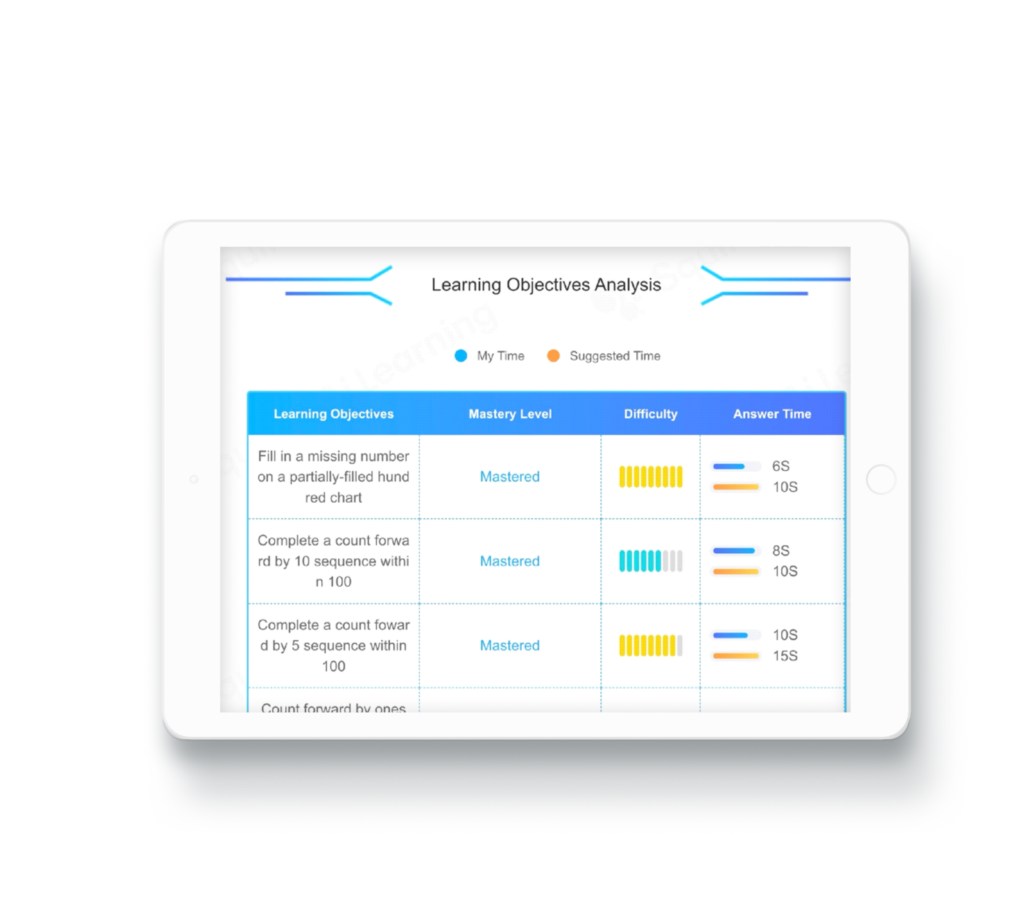
A practical AI tutoring piece accomplishes three things: identify precise knowledge gaps quickly, present targeted practice that adapts on short feedback loops, and hand off transparent reports that teachers can act on. If a vendor talks about models without showing diagnostic outputs or teacher dashboards, treat that as a warning. Look for an AI tutoring system that surfaces why it recommended each next step, not one that hides decisions behind opaque scores.
Alternatives to a one-size franchise
There are clear paths beyond signing a single franchise-like agreement. Option A: license modular AI services and own content so you can swap engines. Option B: partner with a vendor for co-development of curriculum integration. Option C: buy a turnkey platform and invest heavily in change management to ensure adoption. Each path trades control for speed differently. The decision problem remains the same: which trade-offs align with your capacity to adapt?
Common pitfalls and how to avoid them
Ignoring teacher workflows kills adoption. Over-relying on vendor promises about personalization without requiring explainable outputs invites disappointment. Skipping pilot phases or failing to define success metrics leaves decision-makers blindsided. Run short, targeted pilots with success thresholds tied to real classroom actions — increased targeted interventions, clearer diagnostic reports, or measurable reductions in manual grading time. Stop pilots if they don’t meet those thresholds; iterate instead of doubling down.
Comparative questions to ask vendors
Ask vendors to demonstrate three things in a realistic setting: a diagnostic that pinpoints misconceptions, a recommendation that adapts after two learner responses, and a teacher view showing next steps. Request concrete examples of integration points and a clear list of required admin tasks. If the vendor resists demonstrating these under real constraints, that’s a signal the solution may be more brittle than it appears.
Decision checklist for procurement
Use this compact checklist to decide: 1) Can the system explain recommendations to teachers? 2) Does it integrate with existing student information systems? 3) Are privacy and retention policies explicit and auditable? 4) Is professional development included and measurable? 5) Can you exit with your data intact? A “no” to any of these increases the probability of costly rework.
Final synthesis: how a practical partner resolves the problem
Choose a partner that addresses the mismatch at the core: clear diagnostics, low-friction workflows, and explicit governance. A partner that insists on demonstrating those capabilities in situ reduces risk and accelerates meaningful change. For organizations weighing options, consider vendors that make transparency central rather than incidental, because transparency is the mechanism that turns adaptive algorithms into usable tutoring. When clarity, workflow alignment, and governance come together, the technology becomes a reliable tool — a direction that Squirrel Ai represents without overwriting the practical steps you’ve already taken.