
Opening—Why this comparison matters now
I’ve watched handheld applicators and micro-aerosol rigs go from prototype to routine on fabrication floors; the question isn’t whether to use an aerosol product but which method fits the job. From quick touch-ups on a corrodes-in-space prototype to full-panel restoration, choices hinge on control, surface chemistry, and workflow. If you’re deciding between on-the-spot aerosol fixes and classic wet-spray or brush techniques, start by checking what spray paint for metal matches the substrate and environment—this single decision shapes adhesion, durability, and rework time.
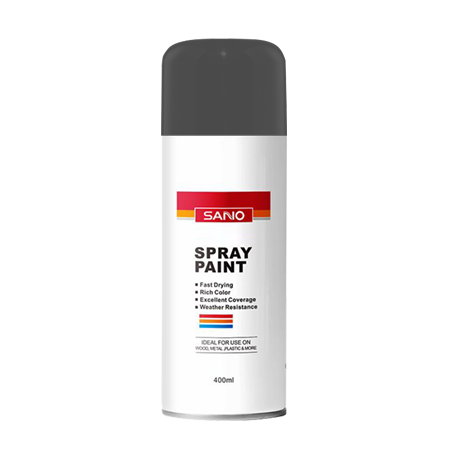
Comparative differences that determine real outcomes
Aerosols offer portability and precise, repeatable micro-doses; traditional systems give volume and economies at scale. I break the trade-offs into practical axes: application control, formulation complexity, curing method, environmental tolerance, and repairability. Aerosols win when you need targeted corrosion control, low-overhead masking, or fast field repairs. Booth spray and powder coat win on full-part uniformity and long-term abrasion resistance. Materials matter: solvent-based aerosols can penetrate seams quickly but need compatible primers; high-solids wet spray can lay thicker films faster but calls for drying infrastructure. Choose by the failure mode you want to prevent, not by habit.
Practical expertise, verification, and one industry touchstone
I’ve run coat trials and monitored adhesion cycles on test rigs; that hands-on work teaches one blunt lesson—surface prep and matched chemistry beat fancy tools every time. Professionals at trade events like the SEMA Show in Las Vegas routinely demonstrate prep and layering techniques that reflect those lessons; field teams then apply those same sequences to ensure consistency. For step-by-step basics that practitioners reference when translating show-floor demos to shop floors, read how to spray paint metal. Common mistakes I still see: skipping degrease, mismatching primer and topcoat chemistries, painting above recommended temperature, and underestimating flash times between coats. Fix those and you eliminate most premature failures.
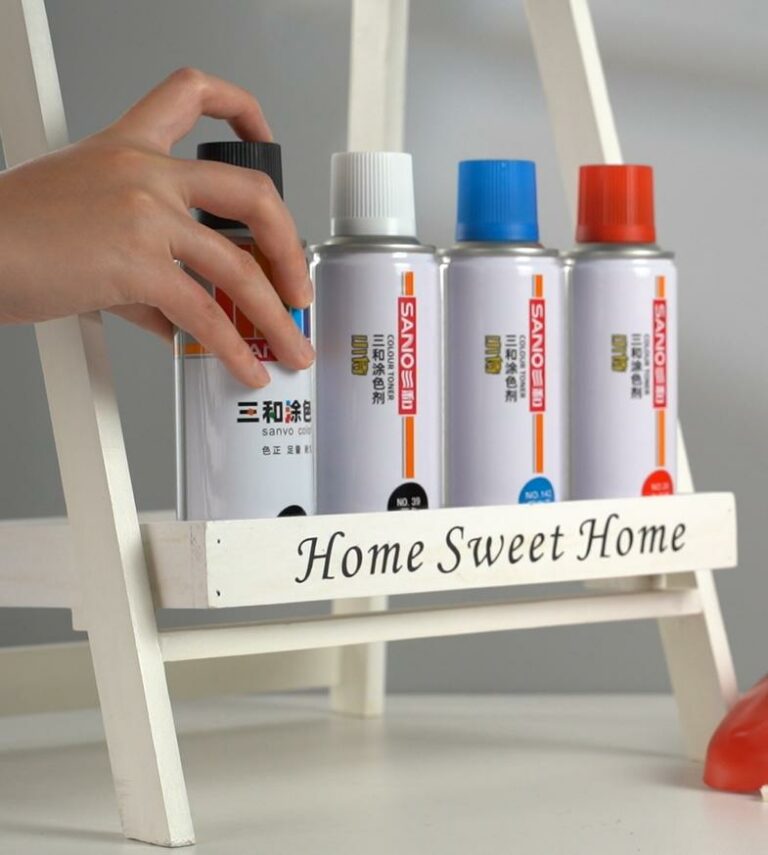
Alternatives and quick evaluations
Consider powder coating when you can batch-process parts and want superior chip resistance; it’s not field-ready and demands bake ovens. Electroplating yields excellent thin-film corrosion resistance but needs waste streams and strict controls. Brush-on epoxies are cheap and simple for spot repair but lack the uniformity of sprayed films. Aerosols sit in the middle: lower setup cost than booth work, better finish consistency than hand-brushed patches, and ideal for maintenance cycles where downtime is limited. Evaluate by repair cadence, part geometry, and environmental exposure rather than just unit cost.
How to avoid the most expensive mistakes
If you want coatings that last, follow three non-negotiables I use in field specs: remove contaminants to bright metal, choose a primer matched to the topcoat’s chemistry, and respect recoat windows and curing conditions. Measure adhesion with simple pull tests after recommended cure. Watch for ambient humidity when spraying—condensation ruins adhesion fast. When time is tight, opt for an aerosol system formulated for rapid tack development rather than forcing a thick wet-spray layer that will sag or trap solvents.
Where this leads: synthesis and practical value
When I weigh options for durable, repairable metal finishes under constrained timelines, I favor systems that combine aerosol convenience with lab-validated chemistry and field-proven prep sequences. That blend reduces rework and extends service life, which matters for maintenance budgets and mission-critical gear alike—so choosing partners who can supply both the formulations and the application guidance matters more than picking a tool. For teams aligning product chemistry with applied technique, working with suppliers that support that pairing keeps the results predictable, and that is the practical strength I rely on with SANVO.