
Introduction
Have you ever paused at the factory gate and asked which path will actually scale production without breaking the budget? In Taiwan we map choices carefully—5 axis machining center manufacturers are talked about at every shop-floor meeting, from Taipei to Taichung. I see this daily: a small scenario where a job shop wins a new contract (they need precision), then the data arrives—cycle times cut by 25% when the right machine and control are used—and the question follows naturally: which maker gives the best balance of speed, reliability, and service? (Yes, service matters—very much.)

I want to guide you through a clear comparison, step by step, so you can cut through marketing and focus on real performance. Next, we will examine where most systems fail in practice, and why that matters for your lead times and margins.
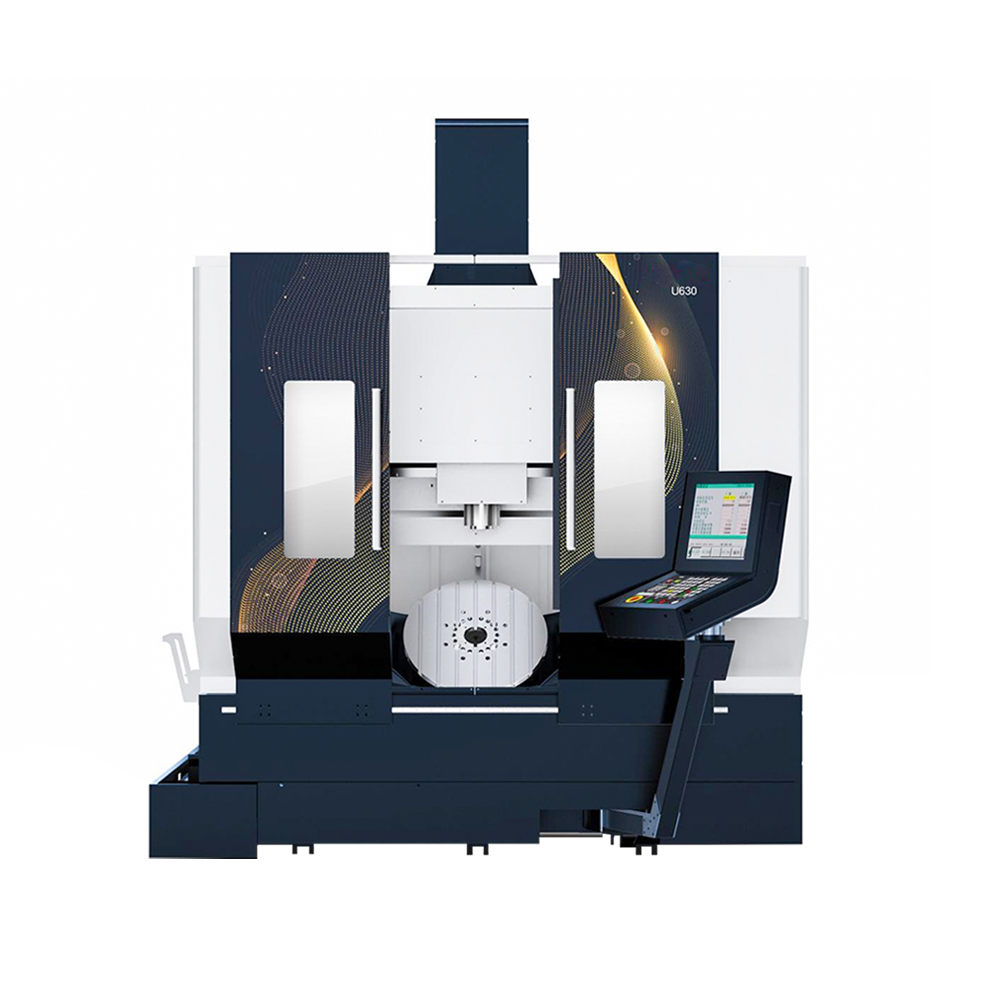
Deeper Layer: Why Traditional Setups Fall Short
Why do these flaws persist?
I start with a concrete example: the common promise of higher throughput from a high speed machining center—yet shops still struggle with chatter, tool wear, and long setup times. Technically speaking, spindle speed alone does not deliver results if the tool path, coolant strategy, and machine rigidity are not aligned. I’ve watched teams buy faster spindles and then wonder why their tolerance scatter did not improve. Look, it’s simpler than you think—overemphasis on one spec creates gaps elsewhere. In my view, the three most hurtful flaws are poor process integration, weak servo tuning, and inadequate fixture design.
First, process integration: CAM output, post-processor, and machine controller must speak the same language. Second, servo and axis dynamics: inadequate tuning and mismatched drive gains cause axis lag and micro-vibrations on complex five-axis moves. Third, fixturing and tool management: a fast tool changer helps only if tool offsets and balance are controlled. These issues produce scrap and downtime (—funny how that works, right?). I’ll show how to spot them on the shop floor and what teams usually miss: simple checks of linear guide preload, spindle runout, and tool-holder balance often save hours of debugging later.
Forward-Looking Comparison: Technology Principles and Practical Metrics
What’s Next for 5-axis work?
Looking ahead, I compare two routes: tighten the entire process chain, or buy “smarter” machines that embed advanced controls and diagnostics. For many, the smart route—integrating sensor feedback, adaptive feed control, and better thermal compensation—yields faster payback. I find that vendors who prioritize closed-loop feedback, better thermal models, and intuitive HMI design reduce setup time and improve first-pass yield. Also, when you consider 5 axis high speed machining, think beyond raw RPM: consider how the control handles complex kinematics, how the spindle maintains torque at high revs, and whether the drive electronics protect against transient loads. Semi-formal advice: test demonstrations under your own parts and cutting conditions, not canned demos.
Now, three practical evaluation metrics you can use tomorrow: 1) Process Stability — measure variance in cycle time and part tolerance across runs; 2) Service Response — track real-world mean time to repair and availability of spare parts; 3) Integration Cost — count hours needed to adapt CAM posts, set up fixtures, and train operators. These are simple, measurable, and they reveal what spec sheets hide. I recommend scoring each vendor on these metrics before you sign. In closing, I believe the right choice combines sound mechanics, clear controls, and honest local support—tools that actually help your team deliver. For a practical partner in this space, consider reviewing offerings from Leichman.