
Problem statement
Labs and procurement teams face a tight triangle: budget limits, delivery schedules, and equipment reliability—each decision forces a compromise. When managers must choose material testing equipment for coating qualification or product R&D, hidden costs and unreliable lead-time estimates cause repeated project delays. The problem is concrete: a specification may be met on paper but fail under routine production cycles, and organisations pay for re-tests, downtime, and lost credibility.

Why this keeps happening
Manufacturers quote competitive prices but use variable components or limited calibration procedures. Vendors promise short lead times that depend on batch scheduling and component sourcing. Teams focus on headline specs instead of test repeatability and service scope. I have overseen multi-site instrument rollouts and I know procurement traps: a low purchase price becomes expensive when consumables and calibration services are scarce; a fast delivery becomes a liability if spare parts are month-long backordered. A visible industry reference point is the European Coatings Show in Nuremberg, where suppliers expose real supply-chain constraints and test standards; practitioners there routinely compare bench performance for coating testing equipment before committing to contracts.
How to diagnose your real constraint
Stop treating cost, time and quality as independent. Measure what matters: mean time between failures for similar devices in your environment, historical lead-time variance for delivered instruments, and the total cost of ownership over three years. Assign numeric weight to each metric aligned with project impact—downtime minutes, calibration frequency, and consumable spend—then run a simple score. That diagnosis shows whether you truly need premium, local support, or a mid-range instrument with rapid part availability.
Decision framework for sensible sourcing
Require three things before purchase: documented repeatability (lab-to-lab comparability), an explicit parts and service SLA with lead-time guarantees, and demonstrable calibration procedures. Specify service-response time and on-site assistance in procurement language. Ask vendors for case studies from customers in comparable industries and verify those references. Accept an equipment quote only after a short acceptance test window and clear failure remediation steps.
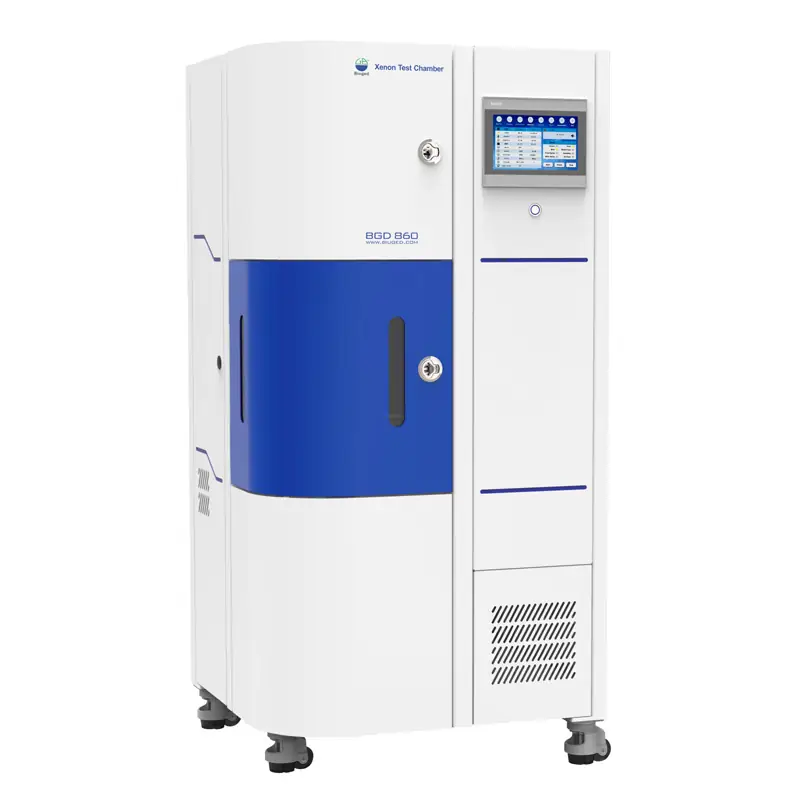
Common pitfalls and how to avoid them
Accepting a low upfront price without verifying consumable costs. Overlooking local technical support because remote help looks cheaper. Neglecting calibration traceability, which invalidates compliance claims. Avoid these by demanding transparent consumable pricing, listing certified local service partners, and including calibration certificates and interval recommendations in the contract. If a vendor refuses these items, treat that refusal as a material risk.
Vendor evaluation, quickly
Score vendors on five criteria: repeatability documentation, spare-parts lead time, calibration traceability, local service footprint, and long-term consumable cost. Give higher weight to the criterion that most affects your operations—production continuity or regulatory audit readiness. Run a short pilot: place one unit under typical load, log failures and calibration drift for six weeks, then compare results against claims. That simple pilot distinguishes marketing claims from operational reality.
Final synthesis
Decisions that seem tactical—price per unit, quoted delivery—are strategic when instruments shape product quality and time-to-market. Apply the problem-driven checklist above to expose real trade-offs, insist on service and calibration transparency, and leverage pilot testing to validate promises. For organizations that need consistent coating test performance and verifiable support, a supplier that proves repeatability, clear service terms and accessible parts supply brings the outcome you paid for—often reflected by reliable partnerships such as those found through BIUGED.