
Introduction: The Room Decides, Not the Spec Sheet
Great meetings are not born; they are engineered. A wireless conference system sets the tone before the first word is spoken. Picture a hybrid boardroom at 9 a.m.: ten people in the room, eight remote, two languages, and one agenda already stretched thin. Roughly a third of meeting disruptions trace back to audio and setup friction, according to many internal IT audits—small causes with big ripples. So the question is simple: what actually makes a wireless platform hold up when the room gets real? The answer is rarely “more features.” It’s signal discipline, a tight latency budget, and smart DSP that adapts to people, not just protocols. That is why a closer look at the taiden wireless conference system is useful as a benchmark—because constraints reveal design. In practice, you must ask how the system handles RF planning when neighboring rooms light up, how it recovers from a micro-drop, and how fast it stabilizes after a new mic joins (seconds matter). We don’t need magic; we need predictable behavior, clear control, and graceful failure paths. If that sounds like craft rather than hype, good. It is. Now, let’s reframe what “wireless simplicity” really means—and why the gap between demos and Tuesday mornings keeps showing up.
The Layer Most People Miss: Hidden Friction Behind the Promise
Where does the friction hide?
Here is the technical truth. Most pain starts where convenience meets physics. Pairing looks easy until five mics try to join at once and the RF environment shifts with every smartphone in the room. Latency feels fine until a soft codec adds jitter and your end-to-end budget tips over 25 ms. Beamforming is brilliant—until seating rotates and off-axis voices drop by a few dB at the worst moment. Security claims sound strong, but AES-128 encryption still needs tight key management and clean roaming logic. Look, it’s simpler than you think: the bottlenecks are predictable when you test for packet loss under congestion, not in a quiet lab.
The human side adds more drag. Battery anxiety pushes teams to overcharge, then cells age early; charging cases get moved; spares vanish—funny how that works, right? Admins juggle firmware across models, and one update breaks QoS markings on the network. Users want a one-button start, but they also want naming, recording, and translation. These asks fight for UI space and cognitive load. A resilient system anticipates all this with stable RF spectrum planning, transparent controls, and quick recovery paths that average under two seconds after an interruption. Fail soft. Recover fast. Keep speech clear even when people talk over each other. That is the deeper promise, not just “no cables.”
From Trade-offs to Trajectory: The Principles Shaping the Next Room
What’s Next
Looking forward, the strongest designs are moving from static guarantees to adaptive control. Think channel agility that hops before interference lands, diversity reception to counter body blocking, and OFDM strategies that keep frames intact under pressure. Edge computing nodes at the table can run local DSP to cut round-trips and stabilize echo cancellation; synchronized clocks (PTP-level precision) help keep multi-mic timing tight. The result is not zero problems. It’s graceful degradation with clear bounds—predictable floors for intelligibility and round-trip delay, even when the spectrum gets messy. And yes, that means design choices: fewer knobs for users, more policy in the background.
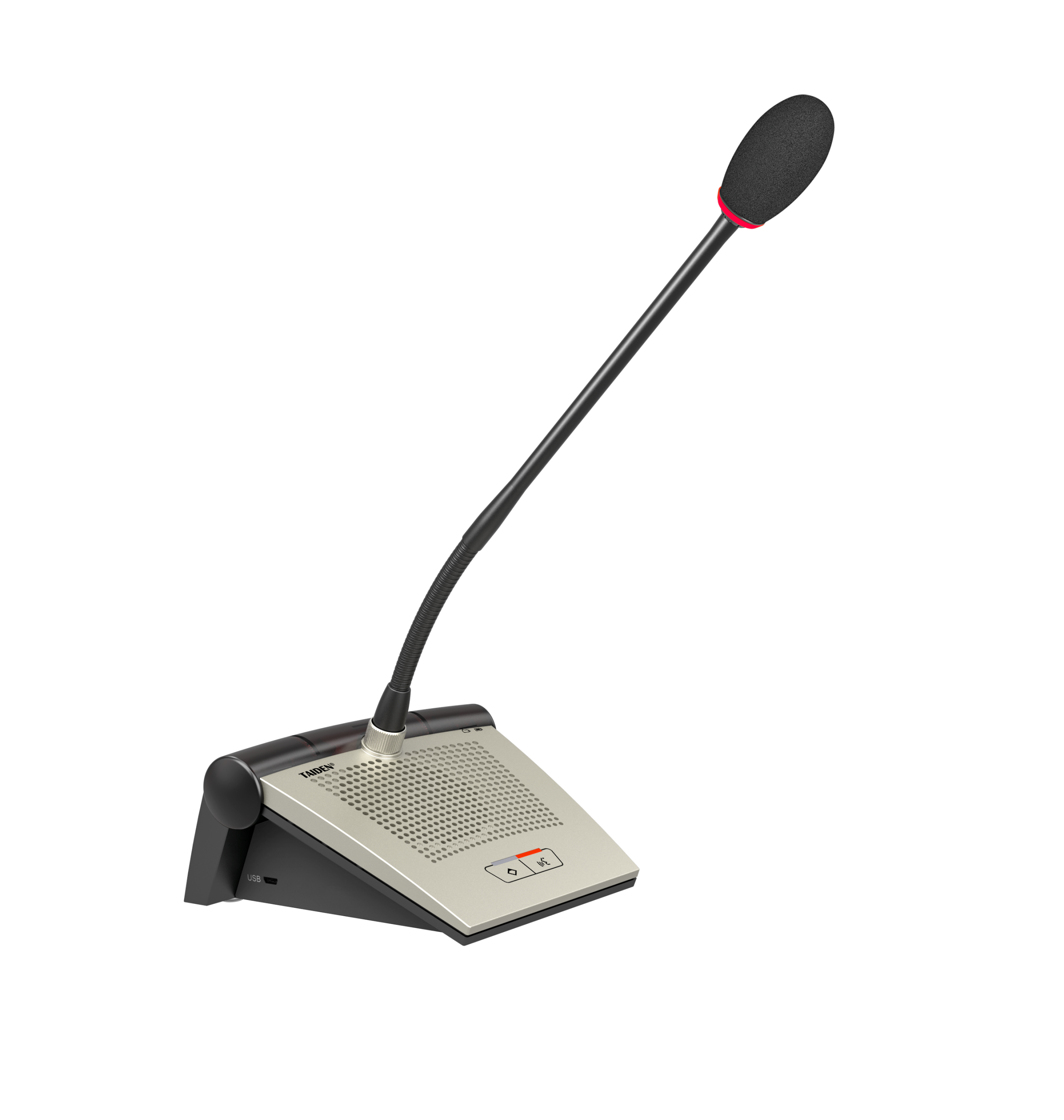
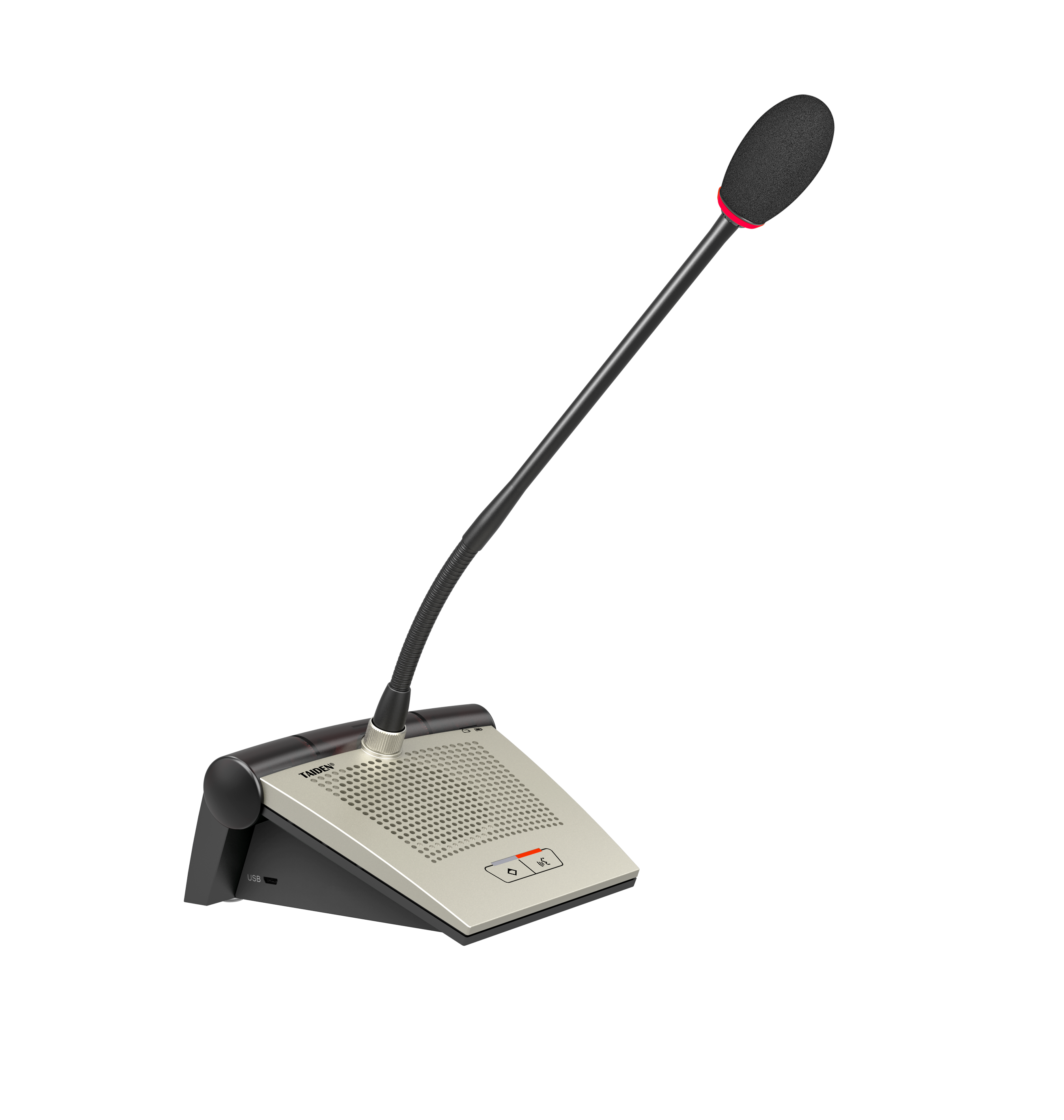
Form factor matters too. A wireless gooseneck microphone system brings consistent capsule placement and better sightlines, which reduces gain swings and keeps AGC from chasing the room. Power converters and smarter charging profiles help batteries last more cycles without guesswork. Firmware is becoming policy-aware, not just feature-heavy—profiles for council, classroom, or press mode change behavior without retraining the team. The lesson from the last wave is clear: we don’t need more pages in the manual; we need systems that read the room and adjust. Small moves, big stability—because meetings live in the middle, not at the edges.
How to Choose: Three Metrics That Matter
Reliability under load: Test in a crowded RF setting and measure actual outcomes. Aim for under 0.5% packet loss, sub-20 ms added latency end-to-end, and fast reconnection (under two seconds) after deliberate interference. Verify spectrum behavior across both 2.4 and 5 GHz bands, and confirm how the system behaves when neighboring networks spike.
Audio integrity in motion: Check speech intelligibility while people turn heads and talk over each other. Track SNR, monitor beamforming consistency seat-to-seat, and listen for AGC pumping. Judge real echo cancellation while screen share audio plays. If voices stay steady without riding the faders, you are close.
Lifecycle and security: Review battery cycles to 80% capacity, charge times, and temperature control during docking. Confirm encryption and key handling beyond the brochure, plus update cadence and rollback safety. Map admin workflows to your org chart; fewer steps, fewer surprises. Choose the platform that makes the ordinary day quiet—and the bad day survivable. If in doubt, compare your notes with what you can test hands-on at the room level, then decide who earns the trust: the spec sheet, or the outcome. For a balanced reference point, consider the design approach behind TAIDEN.