
Introduction — a quick lab tale, numbers, and a question
I once spent a whole night chasing a stubborn pellet that refused to behave — familiar, right? In my last run, tissue dissociation single cell prep lost nearly 40% of fragile neurons before I could sort them (gruesome data, I know). So here’s the thing: why do so many clean-looking protocols still wreck cell yield and ruin downstream results?
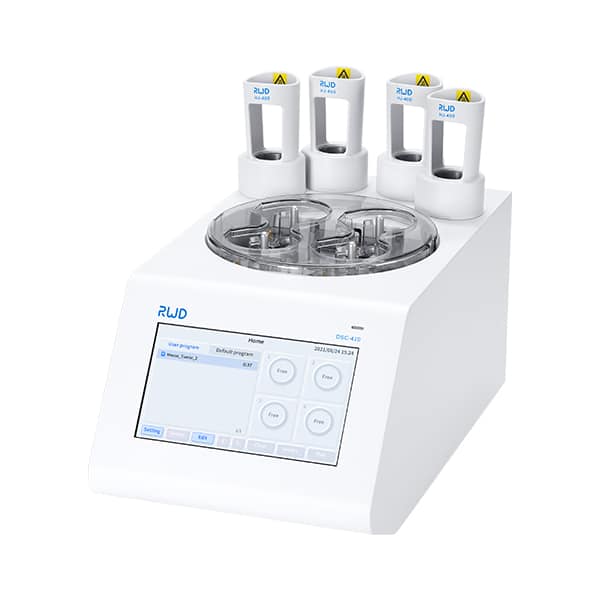
I want this short read to be straight: a real scenario, a few numbers that sting, and a set of fixes you can try tomorrow. No fluff. I’ll call out where common steps fail, what I’ve learned from hands-on runs, and the practical choices that actually save cells — and time. (Yes, I’m talking about that midnight panic where everything felt lost.)
Ready? Let’s dig into what’s actually breaking and how to stop it.
Part 2 — Why classic methods fail: the hidden flaws of the tissue dissociation machine era
tissue dissociation machine often gets blamed — and sometimes rightly so — but the problems usually start earlier. I’ve seen protocols that rely too heavily on long enzymatic digestion or aggressive mechanical shear. The result: damaged membranes, low cell viability, and skewed cell-type proportions. We call that loss by bias, and it’s maddening when you need representative single-cell suspension for transcriptomics or flow cytometry.
Technically, the issues fall into a few repeatable buckets: uneven enzyme activity, temperature drift, and uncontrolled shear stress. Enzymatic digestion is great at breaking ECM, but overdo it and you digest surface markers too. Mechanical dissociation can free cells but also strip membranes. Combine both without monitoring, and you get low yield plus stressed cells — which changes gene expression. I’m frustrated when folks treat dissociation as a checkbox; it’s actually an optimization problem.
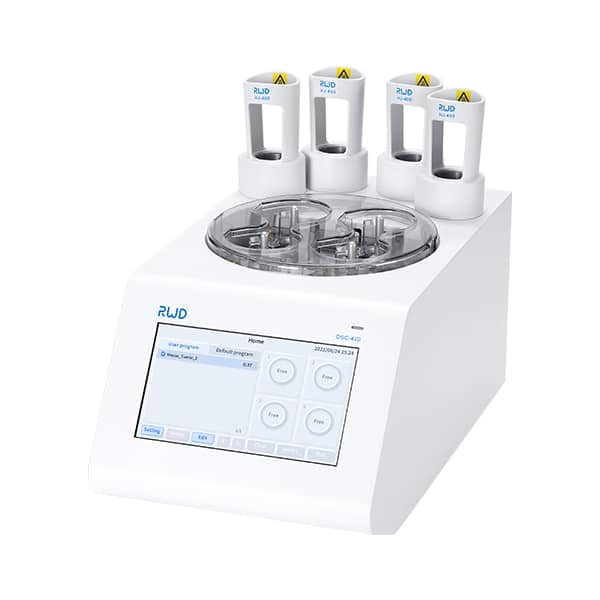
Why do these steps actually fail?
Look, it’s simpler than you think: timing, enzyme concentration, and physical force must match the tissue and target cell. For brain tissue, for instance, you need milder enzymatic mixes and gentler pipetting than for spleen. Use terms like enzymatic digestion and mechanical shear intentionally — they’re not interchangeable. Also watch cell viability assays early; they’ll tell you if the protocol is already wrecking your sample. I’ve learned to test small batches first and measure viability, not assume the protocol works because it “looks” right.
Part 3 — What’s next: principles and practical choices for improved single-cell outcomes
Moving forward, I favor principles over rigid recipes. New tech and smarter workflows put control back in our hands. For example, microfluidics and controlled agitation approaches reduce random shear and improve consistency. When I pair a well-calibrated tissue dissociation machine with optimized enzyme mixes, I see better single-cell suspension quality and more reliable cell viability. It’s not magic — it’s better control and monitoring.
Here are the practical principles I use now: reduce brute force, match enzyme action to tissue type, and measure often. That means short digestion pulses, mild mechanical steps, and frequent checks (trypan blue, small-count flow checks). Also, standardize the temperature and the timing. If you can automate a repeatable gentle motion, do it — variability kills reproducibility. — funny how that works, right?
What should you evaluate next?
To pick a workflow or device, weigh these three metrics: 1) cell viability post-dissociation, 2) preservation of surface markers (for downstream sorting), and 3) reproducibility across replicates. I recommend running a small pilot comparing two conditions, then score them on those metrics. I do this every time I change tissue type or scale up sample numbers, and it saves me hours later on — and a lot of frustration.
I’ll finish with a candid note: I’ve been annoyed by protocols that promise universal fixes. They don’t exist. But by focusing on the principles above and choosing tools that let you tune force and time, you’ll get consistent single-cell suspensions more often — and with better data. For practical help and calibrated devices, check out BPLabLine. I rely on platforms that let me tweak parameters, and that flexibility makes the difference between noisy data and results I’m proud to stand behind.