
Introduction — a small scene, some numbers, and a question
I was walking through a finishing barn at dawn, and the pigs looked different under the old bulbs—shy, slow, not quite themselves. In many farms, swine light is still an afterthought, yet studies show good lighting can raise feeding activity by up to 12% and improve growth uniformity (simple numbers, big impact). So when do you change the fixtures, the control, the whole plan? I ask because I have seen both slow fixes and bold overhauls; each has a cost and a payoff. This short piece will help you spot the signs and weigh the choices—then move on to practical details.

Why simple fixes fail: flaws in traditional lighting — technical look
advanced swine lighting often gets talked about like a single product. But I want to break the problem down: old fixtures, mismatched LED drivers, and weak dimming control create uneven light and stress pigs. Traditional solutions treat bulbs like consumables. They swap a lamp and expect behavior to change. That rarely happens. The bigger issues are wiring limits, poor spectral distribution, and lack of proper photoperiod programming. We end up with flicker, hotspots, and wasted energy. I’ve seen farms with newer LEDs but poor power converters causing dimming drift—so the upgrade looked good on paper but failed in practice. Look, it’s simpler than you think: light is a system, not a lamp.
Another common flaw is ignoring control strategy. People replace fixtures but keep the same timer and the same routine. The result: you pay for LED efficiency but still miss benefits like improved feed conversion and calmer behavior. There are also hidden wiring losses and loose connectors that cause intermittent failures. In short, the traditional “swap and hope” method fails because it skips systems thinking—spectrum, PPFD (photosynthetic photon flux density-like measures for behaviour), and control logic must match the animals’ needs. I’m blunt about this because I want you to save money, and frustration. — funny how that works, right?
So what exactly breaks first?
Mostly the control logic and the drivers. When dimming control is crude, or LED drivers overheat, the system ages quickly. You may not see it until the pigs show it.
Looking ahead: future outlook and practical next steps
When I plan upgrades now, I focus on new technology principles and clear outcomes. We consider sensor-backed schedules, better spectral tuning, and smarter LED drivers. I often recommend starting with a pilot zone: retrofit a room with advanced swine lighting, add simple sensors for activity and light level, and watch changes for 6–8 weeks. This controlled test shows real gains without risking the whole herd. The idea is gradual, measured change—not a leap into the unknown.
In practical terms, modern systems use dimming control tied to behavior, spectral distribution to match pig comfort, and reliable power converters to avoid voltage sag. We use a few simple metrics during trials: feed intake timing, activity spikes, and mortality/lameness trends. If these metrics move the right way, we scale. I’ve seen cases where feed timing tightened and weight gain improved—small wins that justify larger rollouts. The future looks like integrated control, sensors, and better LED drivers working together—less guesswork, more data.
What’s next? Start small, measure, and choose vendors who understand both hardware and behavior. Consider edge computing nodes for local processing if you want on-site analytics, or keep it simple with robust timers and photoperiod plans. Either way, make sure the project has clear success gates. I prefer semi-formal plans: specific targets, short review cycles, and honest money checks—no fluff. That keeps the whole team grounded and the pigs comfortable.
Practical closing — three metrics I trust when choosing a solution
I’ll end with clear advice, since you asked for practical help. When you evaluate upgrades, focus on these three metrics:1) Light uniformity and measured PPFD across pen zones—if it’s patchy, pigs react oddly.2) Control fidelity—how precise are dimming control and timers, and are LED drivers dependable under load?3) Behavioral response—feed activity window, resting patterns, and stress signs during the first 60 days of the trial.These metrics tell me more than a spec sheet ever will. I use them on every project, and they keep decisions measurable and honest.
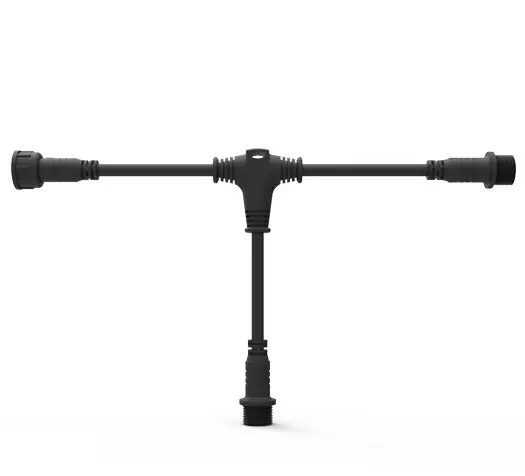
We’ve talked about problems, tools, and next steps. I admit I’m partial to solutions that start small and grow with data. You get fewer surprises that way. If you want a place to look for components or ideas, check szAMB. We can test a small zone, analyze results, and then decide next move together—practical, simple, and effective.