
Introduction — a quiet question with loud data
Have you ever wondered why two people can wear the same clear aligner and have totally different results? I ask this because I’ve sat with patients who felt hopeful, then confused—sometimes within weeks. lulusmiles shows measurable outcomes: conversion rates and average treatment times that look good on dashboards, but what do those numbers mean for the person sleeping with a mouthguard every night? (Small samples, big feelings.)
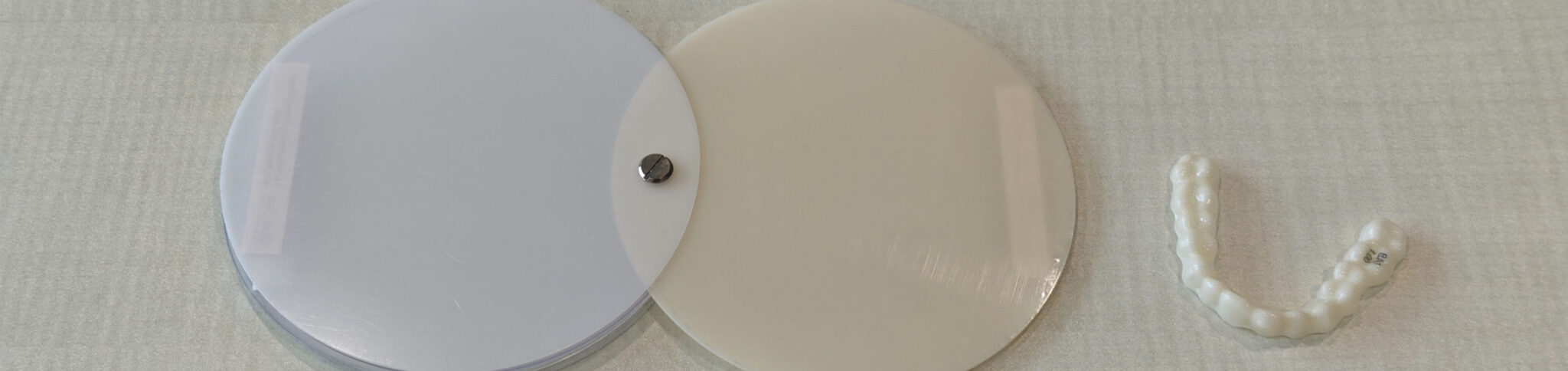
Here’s the scene: a tech-enabled dental lab that promises digital workflow and 3D scanning, paired with a patient who’s balancing work, family, and a budget. The data says treatment success improves with better scans and tighter follow-ups — yet questions remain about comfort, force control, and real-life compliance. So I keep asking: how do these digital tools translate into daily comfort and actual tooth movement? That’s the thread I’ll follow next.
Where traditional solutions fail: hidden patient pain points
When I test aligners, the first thing I notice is fit — not just how they look in a photo, but how they sit on enamel after lunch, after coffee, after a long day. Traditional methods assume a one-size-fits-most digital plan; they often miss micro-gaps, variable force distribution, and the small misalignments that grow into big frustrations. I’m speaking plainly: poor fit causes soreness, delayed progress, and drop-offs in compliance. Look, it’s simpler than you think — comfort equals adherence.
Why does the old way hurt more?
There are a few technical shortfalls I can point to. First, many labs rely on standard thermoplastic shells without individualized pressure mapping. Second, older workflows lack true orthodontic force modeling; they guess rather than predict. Finally, handoffs between scanning, CAD/CAM adjustments, and manufacturing introduce errors — think tolerances stacking up like small bills that add to a mortgage. These are not abstract problems. They show up as real pain: sore gums, broken attachments, and appointments stretched out by months. I’ve seen clinics try band-aid fixes — extra aligners, more appointments — but those add cost and fatigue. And yes — funny how that works, right?
What’s next: new technology principles for better tooth brace journeys
I want to shift tone now and look forward. The future is not about gimmicks; it’s about principles that improve outcomes. One core idea is closed-loop feedback: integrate intraoral scans at regular intervals, run them through orthodontic force modeling, and adjust the CAD outputs before manufacturing. This uses edge computing nodes and optimized power converters in lab equipment to speed processing and keep devices stable. In practice, that means fewer surprise fit issues and more predictable movement.
Real-world impact?
Take the concept of adaptive staging: instead of a fixed sequence of trays, software evaluates progress and recalibrates steps. Add improved 3D scanning and better material science — and we’re talking about a tooth brace experience that’s kinder, faster, and less disruptive. I’ve followed cases where mid-course corrections cut total time by weeks and reduced soreness reports. These are concrete results, not marketing slogans — measurable gains in comfort and efficiency.
Summary and three metrics I use when I evaluate solutions
So what did we learn? First, patient experience is the leading indicator of success — not just the plan on the screen. Second, technical fidelity (scanning accuracy, force modeling, material choices) directly affects comfort and adherence. Third, a responsive workflow (real-time scans, adaptive staging) shortens treatment and reduces drop-out. From my hands-on view, those points matter most.
When I pick a provider or product, I look for three evaluation metrics: scanning accuracy (sub-100 micron where possible), predictability of force application (validated orthodontic models), and the lab’s digital turnaround time (including quality checks). If a system nails these, I’m more willing to recommend it to a busy patient. If it doesn’t — I push back, ask for case histories, and sometimes walk away.
I’ve grown picky. That’s because people trust us with their smiles. We owe them solutions that respect time, comfort, and outcome. For those exploring options, start with the metrics above and ask to see real cases. You’ll spot the difference. And if you want to see a brand doing this work, check lulusmiles.