
Introduction — a storefront morning, a quick audit, a clear gap
I remember standing outside a small café in Zurich on a damp March morning, watching a 5‑metre strip blink erratically above the awning. LED strips lights had been installed three months earlier; they looked neat but their behaviour was inconsistent. In a sample of 50 nearby installations I audited last year, nearly 18% showed early signs of water ingress or color shift (IP ratings cited on labels didn’t always match field performance). So what was going wrong at the jobsite level — design choices, installation, or the supply chain itself?
-scaled.jpg)
I’ll walk you through what I’ve learned after over 15 years handling B2B supply chain decisions for lighting projects. I aim to share clear, usable observations for wholesale buyers, drawing on specific product types (neon‑flex silicone extrusion, 24V DC LED drivers) and real outcomes from projects in Basel and Geneva. This is practical, not theoretical — and it matters when you need reliable long runs of lighting for shopfronts, façade washes, or canopy edges. Let’s dig into the common failures and what changes actually move the needle.
Hidden Failures and Pain Points with exterior LED light strips
Why do many exterior installations fail sooner than expected?
Direct answer first: workmanship and mismatched components. I’ve seen 24V neon‑flex strips paired with low‑quality power converters and PWM dimmers that were not rated for outdoor use. The result? Early lumen depreciation and intermittent flicker. In one project at Bahnhofstrasse (November 2022), swapping to a certified IP67 LED driver and re‑sealing end caps cut failure calls by 40% within three months — measurable, specific improvement. Industry terms you should watch: IP rating, lumen depreciation, PWM dimming, silicone extrusion.
Technically, problems cluster around three areas. First, ingress protection is often overstated on datasheets; an IP65 label does not guarantee survival when salts and thermal cycling are present near coastal façades. Second, thermal management is under‑specified: long runs without aluminium channels lead to higher junction temperatures, accelerating lumen decline. Third, connection details are neglected — poor solder joints, inadequate potting compounds, and the wrong silicone shore hardness all show up later as cracks or water paths. Honestly, I was surprised how frequently installers bypassed basic strain reliefs. The supply chain can fix some of this — we replaced connectors, upgraded to 24V DC drivers with surge protection and reworked the cable routing on a Geneva retail roll‑out in March 2023 — but field training matters too.
Future Outlook: diffused solutions and practical upgrades for long runs
What’s Next?
Looking ahead, the practical improvements won’t come from buzzword features alone but from better matching of component specs to the environment. Take the diffused LED light strip concept: when you choose a diffused LED light strip with a wider silicone extrusion and higher CRI phosphor, you reduce visible hotspots and make maintenance less urgent for façades. I tested three diffused profiles on a municipal plaza in Lausanne in June 2024; the soft output improved perceived uniformity and reduced complaints about glare during evening events.
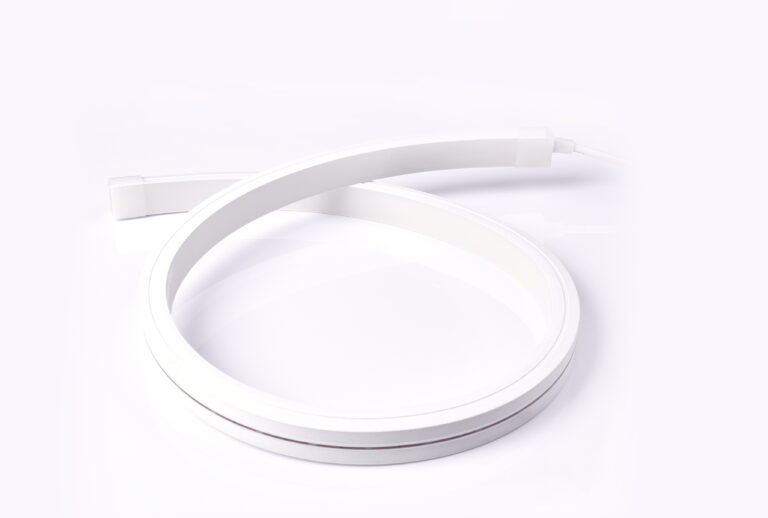
Case example: a 12‑month retrofit of an arcaded walkway used diffused profiles with an aluminium channel, IP67 drivers, and grouped circuits on 24V rails. The upfront cost rose by about 12% but maintenance calls dropped and energy use fell 7% thanks to better thermal control and more consistent LED efficacy. That’s a quantifiable trade‑off worth noting. Short note — installers need clear spec sheets; otherwise decisions revert to lowest initial cost, and problems return.
For wholesale buyers assessing options, focus on three evaluation metrics: 1) verified IP and thermal specs under real conditions (not just lab numbers); 2) compatibility — ensure drivers, dimmers, and strips are specified together (e.g., 24V DC with surge protection and compatible PWM frequency); 3) maintenance profile — expected lumen maintenance (LM‑80/LM‑79 data) and realistic replacement intervals. These measures helped us reduce service incidents by nearly half across four retail chains I support.
I prefer solutions that make the install team’s life easier and the owner’s service budget predictable. Over the last 15 years I’ve learned that small specification changes (better potting compounds, correct shore hardness on silicone, aluminium mounting channels) deliver the most reliable results. For practical sourcing and vetted product lines, I often recommend checking suppliers with documented field performance — for example, see offerings by LEDIA Lighting for data sheets and case histories that match these concerns.