
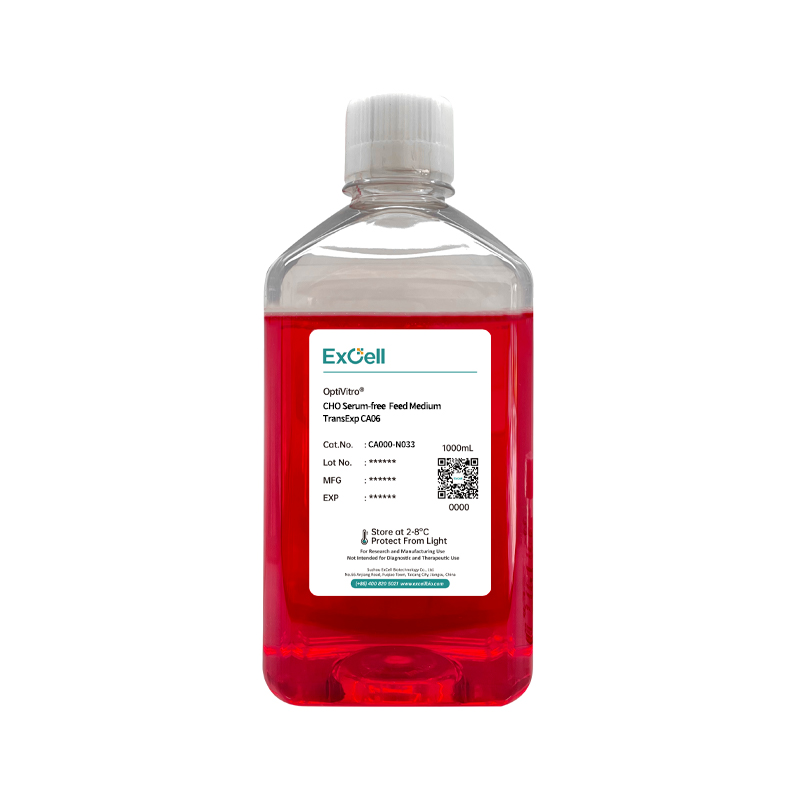
Opening: Why the switch still feels risky?
Have you ever paused before removing serum from a culture and thought—can cells really thrive without that familiar blanket? In my work I always point colleagues to serum free media for cell culture because that phrase packs both promise and complexity. I speak from over 15 years in bioprocess development and B2B lab supply; I have seen the same pattern in Shanghai and in a GMP facility in Suzhou (March 2016): teams switch to serum-free and expect instant stability.
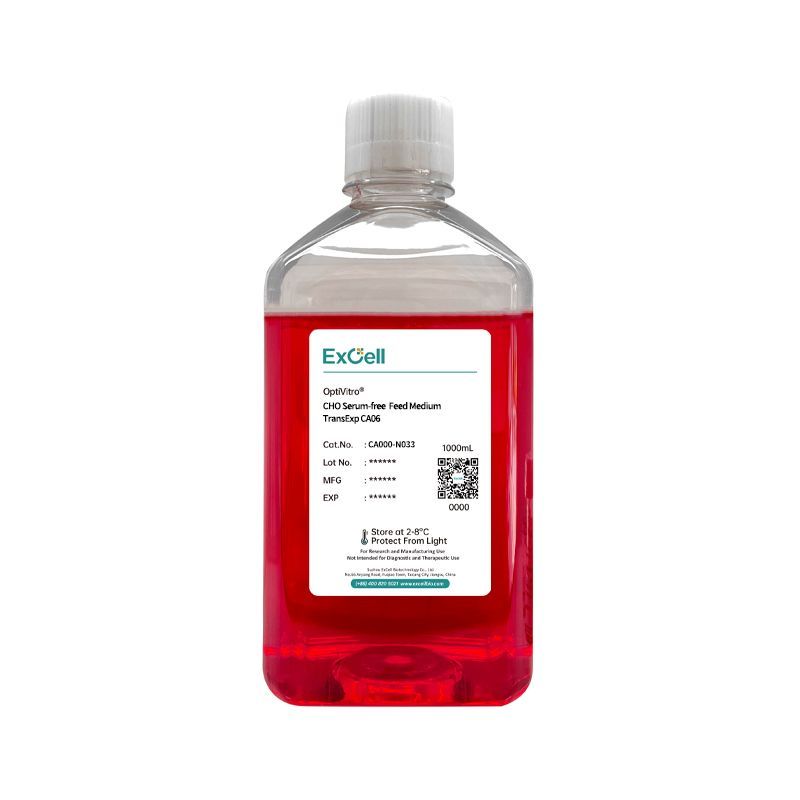
That expectation is the problem. Serum free systems replace undefined components (like FBS) with defined basal medium, recombinant proteins, and growth factors — good in principle, but in practice many labs confront hidden pain: inconsistent passaging responses, slower attachment, and unexpected differentiation. I vividly recall a Saturday morning when a pilot run in a 2,000 L bioreactor showed cell viability dip from 89% to 72% after one formulation change; yield fell by 18% the following harvest. Those numbers are not abstract; they cost time and contract deadlines. (We must treat formulation changes as process changes — they are.) This leads us to the core problem: traditional solution flaws that vendors seldom explain fully.
Deeper layer: Traditional solution flaws and real user pain
I have audited dozens of inventory lists and protocols; the same flaws recur. First, many “serum-free” kits rely on generic supplements—recombinant albumin, insulin, and broad-spectrum growth factors—without matching the original basal medium’s ionic balance or trace metals. Second, adaptation plans are often one-size-fits-all: a single-step dilution or abrupt withdrawal. That triggers stress responses, loss of attachment, and altered metabolism (glycolysis shifts, for instance). Third, documentation gaps: lot-to-lot variability and weak QC on raw materials. I once measured metabolite shifts (lactate up 1.4-fold) when a lab switched supplier, and that change explained a 12% drop in final protein titers.
How do these flaws show in daily lab life?
They show as repeated troubleshooting: longer doubling times, inconsistent cryopreservation recovery, and more frequent mycoplasma checks. We see passaging schedules stretched, extra reagent costs for rescue supplements, and project delays. I prefer to call these “hidden friction” rather than mere annoyance—because they compound into missed milestones for small biotech teams and lab managers who cannot afford re-runs.
Next, we shift perspective—technical clarity helps. Below I present a more forward-looking view.
Forward-looking: Practical comparisons and next steps
Now I will be technical: serum-free systems must be evaluated as integrated platforms (basal medium + supplements + process controls). Compare three paths I advise: 1) gradual adaptation using stepwise dilution in a defined basal medium; 2) direct adaptation with matched recombinant growth factors and adhesion molecules; 3) custom optimization with media blending and fed-batch control. Each path needs specific metrics: attachment rate at 24 hours, viability at 72 hours, and specific productivity per cell. When I supervised a contract run in April 2019 in Hangzhou, we moved from path 1 to path 3 and recovered productivity to previous levels within two feed cycles.
What matters next is measurable control: tight QC on raw materials (trace metal profiling), defined supplementation (recombinant vs. animal-derived), and small-scale screening (24-well plate assays before scale-up). I have used SF-1 basal medium with a recombinant human albumin supplement and seen adhesion improve within 48 hours. That result convinced a project manager to reallocate budget toward better QC — wise choice. — I still remember the relief in that call.
What’s Next?
We should measure outcomes, not promises. For teams ready to commit, do three things now: run side-by-side comparisons (serum vs. candidate serum-free), quantify change in doubling time and viability, and log exact lot numbers and supplier certificates. Short experiments save weeks later.
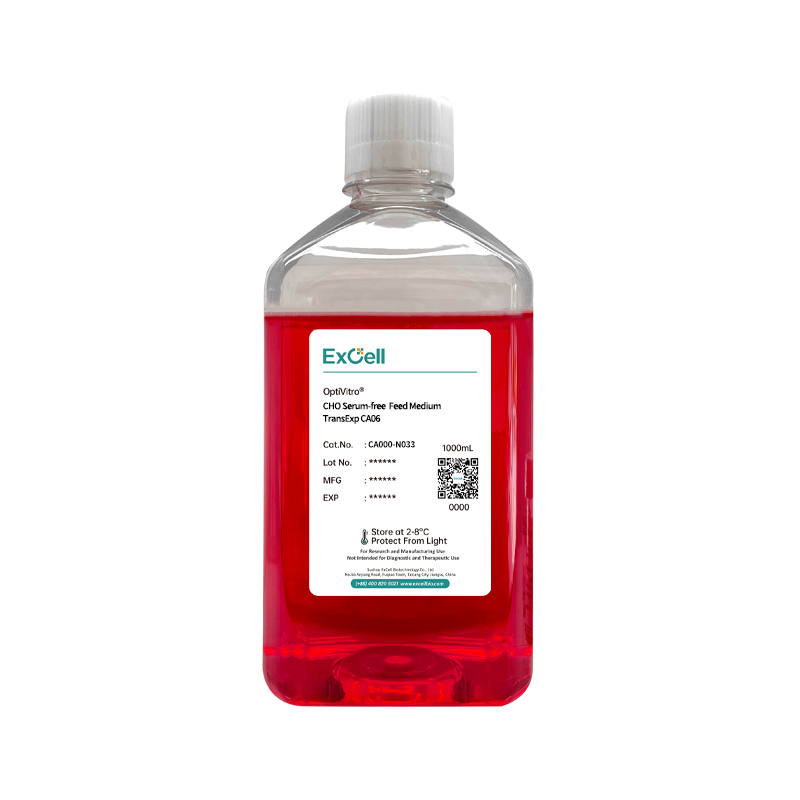
Closing: Practical evaluation metrics
To conclude with actionable guidance, here are three key evaluation metrics I recommend for choosing or validating a serum-free approach: 1) Early attachment and 24–72 hour viability (target: >85% viable post-adaptation); 2) Specific productivity per cell (compare mg protein per 10^6 cells); 3) Process reproducibility across two lots (less than ±10% variance). Use these metrics, and you will reduce the hidden friction I described — measurable improvements follow. — This is my direct recommendation after many runs and audits.
For practical reagents and further technical support, consider vendor resources and validated formulations such as those discussed earlier; for example, review serum free media for cell culture options and QC documents. I share these tips from long experience managing transitions and supply relationships in commercial labs. If you need concrete protocol examples or a short screening plan tailored to your cell line, I can help draft one.
Final note: when choosing materials, prioritize traceability, defined supplements, and documented performance. For trusted supply and product pages, see ExCellBio.