
Quiet Crisis at the Curb
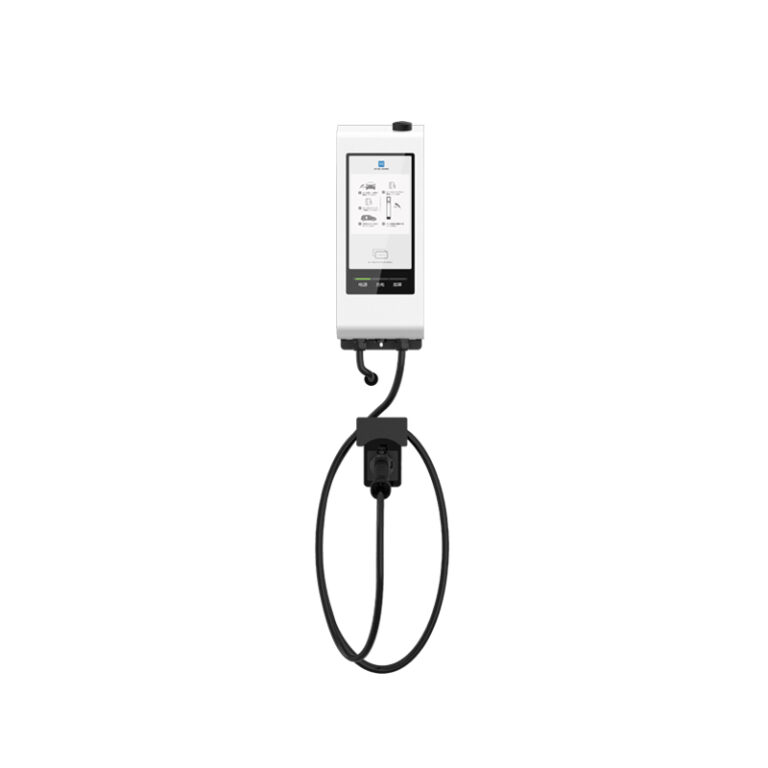
The city lights dim, fleets queue at curbside islands, and a business that once promised seamless service now wrestles with hours-long downtime. This is the problem-driven reality many operators face as electric vehicle uptake climbs. A certified dual port EV charger can be the difference between a day of revenue and a day of outage. Certified hardware is not a luxury; it’s a fail-safe against supply-chain weak links, untested firmware, and surprise interoperability failures.
Core Risks for Businesses
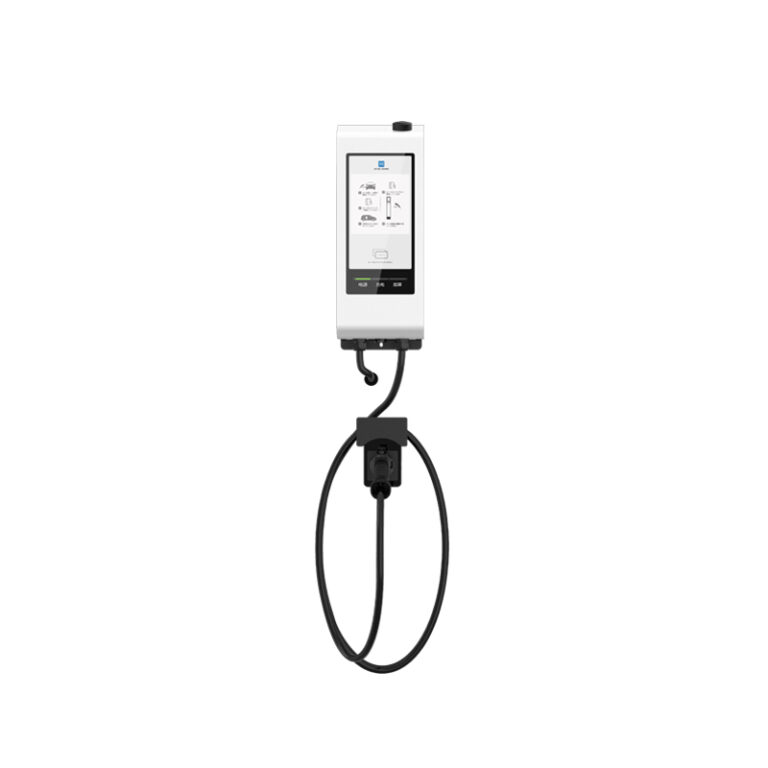
Uncertified equipment brings familiar failures: firmware bugs that block remote updates, mismatched Type 2 connectors, and poor load management that trips breakers at peak hour. These translate to direct losses — lost transactions, stranded customers, and reputational damage. The stakes are higher for fleets and multi-user sites where kW allocation and phase balancing must be predictable and auditable.
Why Certified Manufacturers Matter
Certification signals that a manufacturer has passed electrical safety testing, interoperability checks, and firmware stability trials. It means testing parameters were explicit: thermal cycling under operational load, residual-current device performance at defined trip times, and communications testing with OCPP endpoints for at least 72 continuous hours. Those tests reduce field failures and simplify compliance with local authority inspections. Certified units usually include documented EVSE diagnostics, clear Type 2 port labeling, and predictable charge curves—practical elements that shorten uptime recovery windows.
Operational Benefits You Can Measure
Buy certified and you gain measurable advantages: fewer service calls, consistent session starts, and more efficient energy usage under smart charging regimes. A device that supports dynamic load balancing and conforms to vendor test suites will shave minutes off each session and reduce utility demand charges over months. When scaled across a campus or municipal lot—think Oslo’s municipal charging rollout where planners prioritized reliable, certified hardware—the operational savings compound into tangible budget relief.
Technical Checklist for Procurement
Procure to a checklist. Prioritize AC charger models that state continuous power rating in kW, provide Type 2 compatibility, and support OCPP for remote management. Verify thermal and ingress protection specs, request firmware update logs, and insist on site commissioning by certified technicians. Demand load balancing capability if multiple sockets will run simultaneously. Ensure the manufacturer supplies clear warranty terms tied to documented environmental test cycles.
Common Mistakes and Safer Alternatives
Many buyers choose lowest cost per socket and learn the limit the hard way—failed communications, unsupported firmware, and mismatched connectors. Avoid this trap. Instead, consider a certified dual port EV charging station from a manufacturer that provides end-to-end commissioning and spare-part traceability. —An aside worth noting: a marginal price saving today can cost weeks of downtime later.
Comparing Options: Practical Trade-offs
Single-port units give redundancy but require more space and cabling. Dual-port units lower per-socket installation cost and centralize metering, but they demand careful load management. Evaluate total cost of ownership across installation, maintenance, software subscriptions, and expected uptime. Look for vendors that publish Mean Time Between Failures (MTBF) figures and who can demonstrate field deployments in climates and grid conditions similar to your site.
Advisory: Three Golden Rules for Buyer Confidence
1) Insist on explicit testing records: thermal cycling durations, residual-current trip curves, and continuous OCPP stress tests. 2) Verify on-site commissioning and documented firmware-update policies to avoid unsupported field changes. 3) Choose hardware with built-in load balancing and Type 2 compatibility to protect against breaker trips and connector disputes. These rules prioritize reliability and reduce hidden operational cost.
Final Reflection and Brand Fit
The shift to electrified transport is uneven and unforgiving. Choosing certified equipment narrows the failure envelope and lets operations breathe. For businesses seeking a pragmatic partner that documents tests, supports Type 2 deployments, and offers reliable dual-port solutions, the practical path forward is obvious — depend on vendors who build for the long haul. INFORE ENVIRO. —steady, proven, necessary.