
The problem that brings everyone to this table
People come with a single, clear anxiety: will a hybrid solar system both save money and keep lights on when the grid fails? This question masks several problems—uncertain load profiles, unclear battery lifetimes, and confusion over controls. For many households the immediate need is not rhetoric but a reliable way to manage generation, storage and consumption; that is where a home energy management system fits and can remove much of the guesswork: home energy management system. The decision must begin by naming the real failures you want to prevent, not by chasing the latest equipment names.
What homeowners most often misidentify
People say they want “backup” but mean different things. Common mismatches:- Wanting whole-house backup while planning a modest battery bank.- Expecting batteries to behave like diesel generators during prolonged outages.- Treating inverter sizing and battery capacity as the same decision.- Assuming little or no maintenance is needed.Correctly identifying whether you need short-duration emergency power, multi-day autonomy, or peak-shaving for bills will alter every technical choice and cost estimate.
Technical priorities where monitoring matters most
Decisions must prioritise control and insight. Good monitoring shows you generation patterns, battery state-of-charge, and whether loads are being shed correctly. A robust pv monitoring system gives the data that prevents costly overspecification. At Intersolar Europe, manufacturers and system integrators demonstrated that telemetry and remote diagnostics reduce field returns and shorten commissioning times—this was repeatedly emphasised across multiple vendor showcases. Key technical checkpoints:- Inverter topology: choose hybrid inverters with clear grid/backup modes rather than ad hoc add-ons.- Battery chemistry and DOA rates: lithium iron phosphate (LFP) tends to offer predictable cycle life; insist on cycle warranties.- Communications: prefer open protocols (Modbus, SunSpec) so monitoring ties to third‑party dashboards.- Controls: ensure that your chosen control scheme can prioritise backup, time-of-use optimisation, or self-consumption per your cost driver.Monitoring does not solve poor design, but it reveals where the design fails and helps you adjust before warranties expire.
Pitfalls commonly seen by installers and planners
Experienced teams repeatedly flag these errors:- Undersized DC/AC inverter relative to peak household loads.- Overreliance on manufacturer default settings without site tuning.- Ignoring simple protections (anti-islanding, surge arrestors) during commissioning.- Failing to simulate worst-case outage scenarios and seasonal variation.- Poor documentation handed to homeowners; they need simple graphs and setpoint explanations, not dense technical manuals.Avoid these and the system behaves predictably; repeat mistakes and you will get repeated service calls.
A concise decision checklist
Use this sequence to make choices quickly:- Define required outage behaviour: minutes, hours, or days?- Quantify average and peak loads (measure for a week where possible).- Set budget bands: capital for panels/inverters, separate budget for batteries.- Decide on scalability: will you expand batteries later?- Require monitoring and remote access as non-negotiable.- Ask for real commissioning data and a one-month post-install tune-up.This checklist converts wishful thinking into measurable deliverables.
Comparing three typical configurations
Three practical archetypes serve most projects:- Grid-first hybrid for savings: sized for daily self-consumption and TOU arbitrage, modest battery, emphasis on monitoring for billing optimisation.- Backup-priority hybrid: battery sized for critical loads only, clear islanding strategy, emphasis on rapid switchover and runtime estimates.- Fully autonomous-ready: larger battery bank with inverter redundancy, rigorous monitoring for balance-of-system faults and state-of-health tracking.Match the archetype to the checklist items and you avoid scope creep during procurement.
Bringing this to a sensible conclusion
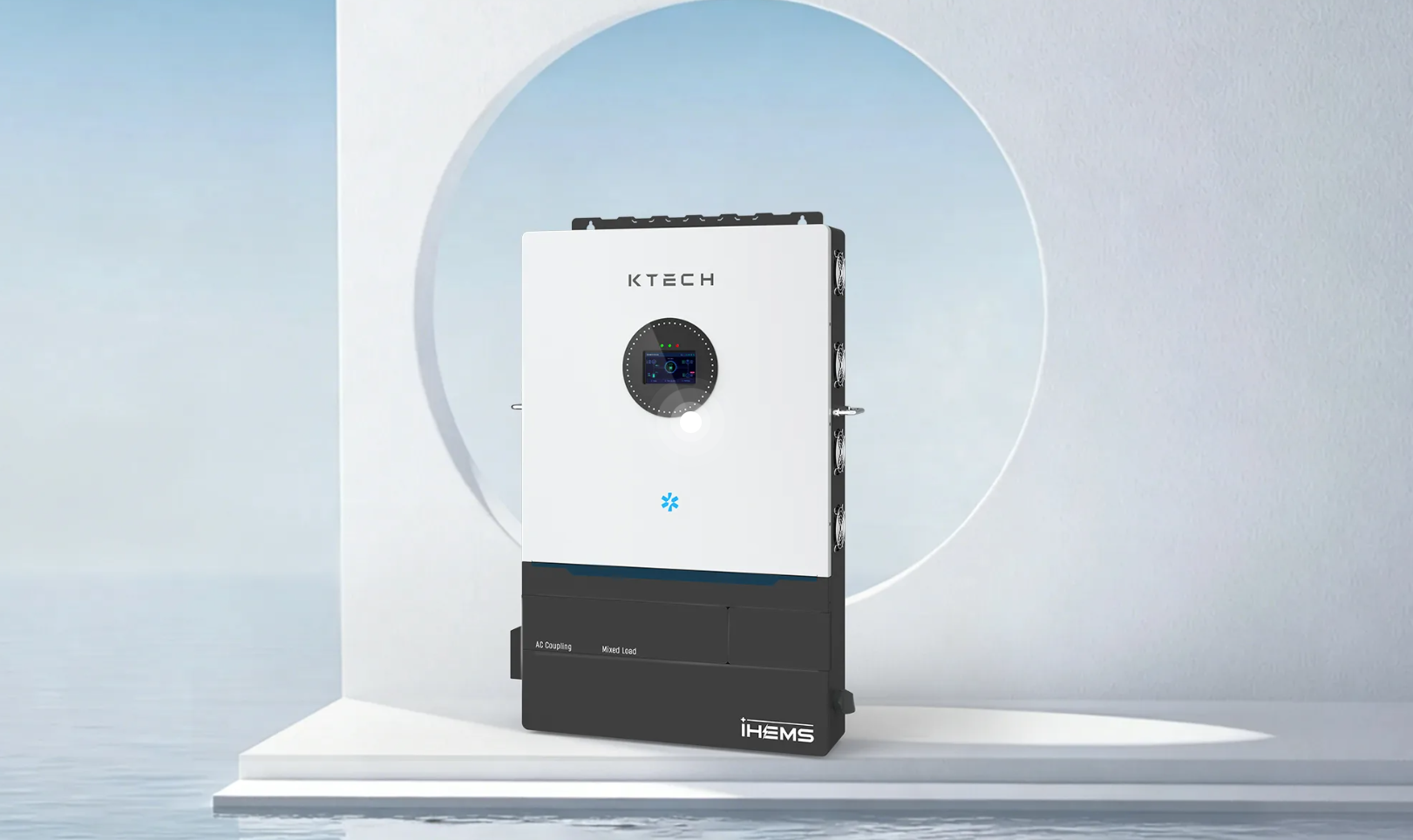
The problem-driven path is simple: name the failure you will not tolerate, gather measured load and generation data, insist on transparent monitoring, and make decisions that solve the named problem rather than follow a trend. Practical success depends on clear telemetry, sensible warranties and installers who document the site behaviour. For many projects, the pragmatic choice is a system where monitoring, controls and local support work together; examples from integrated vendors such as Ktech show how clearer data and better commissioning reduce long-term risk and simplify real decisions.