

Use case, evidence, and scope: assess Fixed Multi Gas Detector through system compatibility early research
Start with the operating context
Operations teams should approach a fixed multi gas detector as one part of a wider system, not as an isolated catalogue item. Early research is most useful when it first describes the intended operating context. Record where the detector may be installed, what equipment could receive its signals, who will maintain the installation, and which project requirements are already fixed. This context gives each later product comparison a clear boundary.
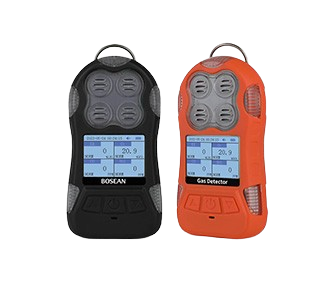
The first task is not to decide which model is best. It is to define the interfaces that matter. A team might need to consider signal format, connection method, mounting arrangement, enclosure expectations, power arrangements, and the responsibilities shared between the equipment supplier and the site team. These are questions for the project, rather than claims about any particular product.
A short use-case record can keep the research focused. It might include:
- the proposed installation area and its physical constraints;
- the receiving system or panel, if one has already been identified;
- the expected communication or signal interface;
- the people responsible for installation, commissioning, inspection, and maintenance; and
- the requirements that remain open for technical discussion.
This record prevents a broad category description from becoming an assumed project specification. It also helps operations, engineering, and procurement discuss the same object. If the context changes, the team can update the record instead of relying on an informal impression formed during browsing.
Separate compatibility questions from product facts
Compatibility has several layers. Mechanical compatibility concerns whether the proposed mounting approach and available space can work together. Electrical compatibility concerns how power and outputs would connect with the receiving equipment. Communication compatibility concerns the interface used to exchange information. Operational compatibility concerns who will work with the equipment and what information they need.
These layers should be reviewed separately because a product page may answer one question without answering the others. A listed output does not, by itself, establish that a complete site system will accept it. Similarly, a mounting description does not establish that a proposed location is suitable. The practical approach is to write one requirement per line and record the evidence that relates to it.
Responsibility should also be visible. Operations teams can ask who defines the installation constraints, who confirms interface requirements, who supplies associated equipment, and who owns the final technical decision. Framing these as responsibility questions avoids turning general guidance into an unsupported statement about a supplier’s installation scope or service obligations.
Use page-level evidence with a narrow scope
A product page can provide useful starting evidence when its wording is kept attached to the named model. For example, the Bosean K-G60 page lists 4–20 mA output, RS485 input, wall mounting, and IP66 in its specifications. Those details can support an early comparison of signal, communication, mounting, and enclosure-related information. They should remain attributed to the K-G60 page rather than being transferred to other models or to every fixed detector in a catalogue.
That page-level example shows why the phrase fixed multi gas detector needs a defined research scope. In a comparison table, create separate columns for the model, stated feature, source location, and project question. A further column can record whether the information is directly stated, inferred as a question for the project, or still unresolved. Only the first category should be presented as page evidence.
The same discipline applies to terms that sound familiar but may have different meanings in different projects. A team can ask what a listed input or output means for its intended receiving equipment. It can ask how the stated mounting method relates to the planned structure. It can ask what the enclosure category means for the project’s environmental requirements. These questions do not assert a result; they identify the next point of technical discussion.
Build a compatibility review before procurement
Once the operating context and page evidence are recorded, organise the next discussion around interfaces rather than general product impressions. A simple review can follow four steps.
- List the project interfaces. Note the physical mounting point, power arrangement, signal path, communication path, and any receiving equipment already selected.
- Match each interface to stated evidence. Use the exact model and page location. Do not fill a blank with a category-level assumption.
- Mark the decision status. Label each line as supported by the page, requiring project confirmation, or outside the current evidence.
- Prepare focused questions. Ask about the unresolved interface, the responsible party, and the information needed for the next design stage.
This method gives procurement teams a more useful record than a list of attractive features. It also gives engineers and system integrators a common starting point for discussing boundaries. The objective is not to make a final suitability decision from a single page. It is to make the next technical conversation specific enough to produce a defensible decision.
Plan the next technical discussion
Before moving from research to a request for technical information, review the record for scope drift. Check that each stated feature belongs to the named model, that each comparison uses the same type of evidence, and that open requirements remain visibly open. Remove conclusions that depend on an unstated site condition or an assumed responsibility.
A concise discussion brief can then contain the operating context, the required interfaces, the page-level evidence, and the questions that need resolution. This structure helps the team focus on compatibility early, when changing the research direction is easier than correcting an unsupported assumption later. It also keeps product information, project requirements, and professional judgement distinct.
Used this way, Bosean page information can serve as one bounded input to an early compatibility review. The operations team still owns the project context and the questions that follow from it. A careful record of scope, evidence, and responsibility provides a practical basis for the next technical discussion without claiming more than the available page information supports.