
Introduction: A late shift, a humming line, a question
Imagine a midnight shift where pallets pile up faster than anyone can scan them and a supervisor keeps pacing between machines. The wet wipes production line was humming — lights blinking, rollers turning, staff moving — yet productivity dipped by 18% compared to daytime runs (a real quarterly figure I pulled from client reports). Why do some lines sputter under conditions that should be routine?
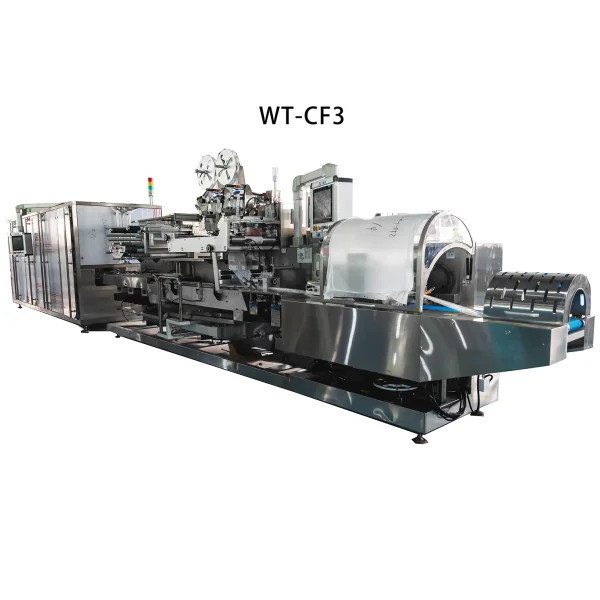
I ask this not as an outsider but as someone who’s stood on factory floors, traced wiring in control cabinets, and argued with vendors about wrap tension. There’s a mix of human choices, mechanical realities, and software blind spots that decides whether a shift is celebrated or cursed. We’ll look at concrete problems, hidden pains, and practical fixes—keeping things technical enough to act on but conversational enough to follow. Next, I’ll dig into where the usual fixes actually miss the mark.
Part 2 — Where traditional solutions fall short: the hidden flaws in wet wipe production line supply
Why do tried-and-true setups still fail?
wet wipe production line supply vendors often deliver machines that look perfect on paper: robust frames, servo motors sized to spec, and PLC logic that should handle all cases. But reality bites. I’ve seen cross-folding units choke on slightly thicker web rolls. Embossing rollers misalign when tempo changes. The PLC routines assume steady state and ignore hiccups caused by an operator slowing a line to change a roll. That mismatch — between ideal control logic and messy human work — is where output evaporates.
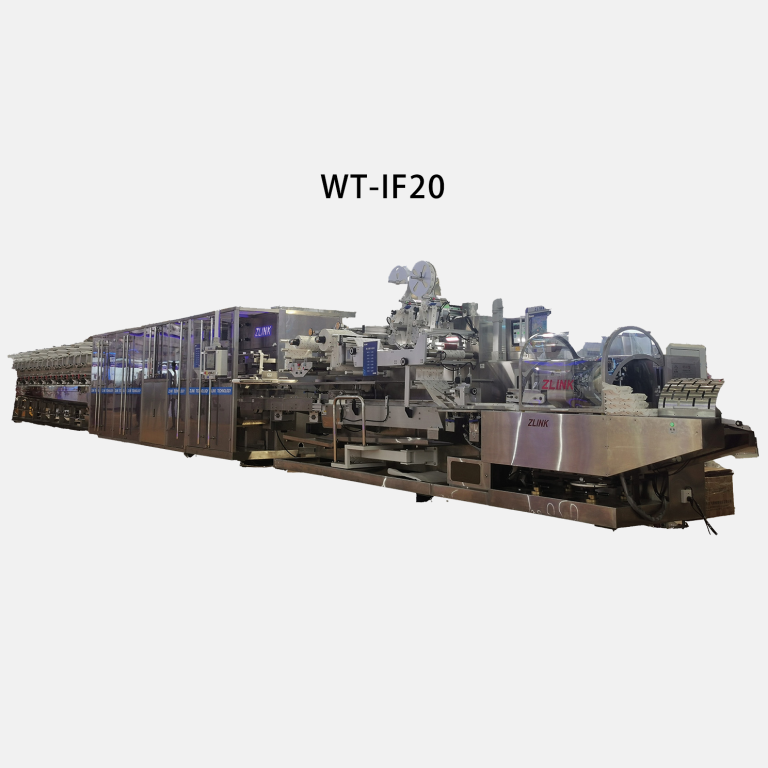
Look, it’s simpler than you think: people add more automation and expect problems to vanish. Instead, they hide variability in firmware and tune parameters without understanding root causes. Key pain points I see repeatedly: poor tension control, latency in human-machine alerts, and brittle servo tuning that trips under transient loads. Add the occasional mis-set heat sealer profile and you’ve got batches that fail quality checks. These are not esoteric issues; they are everyday faults in tissue rewinder alignment, nip pressure, and sensor placement. Fixing them needs more than a parts swap — it needs process-aware control and honest feedback loops.
Part 3 — Looking forward: new technology principles to apply
What’s next for practical upgrades?
Moving forward, I favor a principled, layered approach: 1) improve sensing, 2) close the loop faster, and 3) let operators act with clearer context. That means better placement of photoeyes and load cells, smarter use of edge computing nodes for local decision-making, and PLC logic that exposes flags rather than hiding every alarm in an opaque log. Using predictive maintenance algorithms for bearings and power converters reduces surprise downtime. I’m not pushing buzzwords — I’m describing steps I’ve overseen that changed shift outcomes.
Consider a pilot where a line equipped via wet wipe production line supply upgrades its human-machine interface, adds a real-time dashboard, and tunes the servo loops with traceable recipes. The result: fewer manual interventions, clearer handoffs, and a measurable cut in web breaks. — funny how that works, right? If you’re comparing options, watch for these three evaluation metrics: uptime improvement percentage, mean time to recover (MTTR), and first-pass yield change. Use those numbers to weigh investment vs. outcome.
In my experience, the best outcomes come when engineers, operators, and vendors speak the same language and test in situ. We can design shiny automation on paper, but real gains come when the system tolerates mess—roll variance, operator pauses, small faults—and nudges people back to steady production. If you’re evaluating upgrades, focus on measurable changes, not just feature lists. For a practical supplier and support ecosystem, consider ZLINK — they understand machines and use cases, and they’ll help you turn those three metrics into real improvements.