
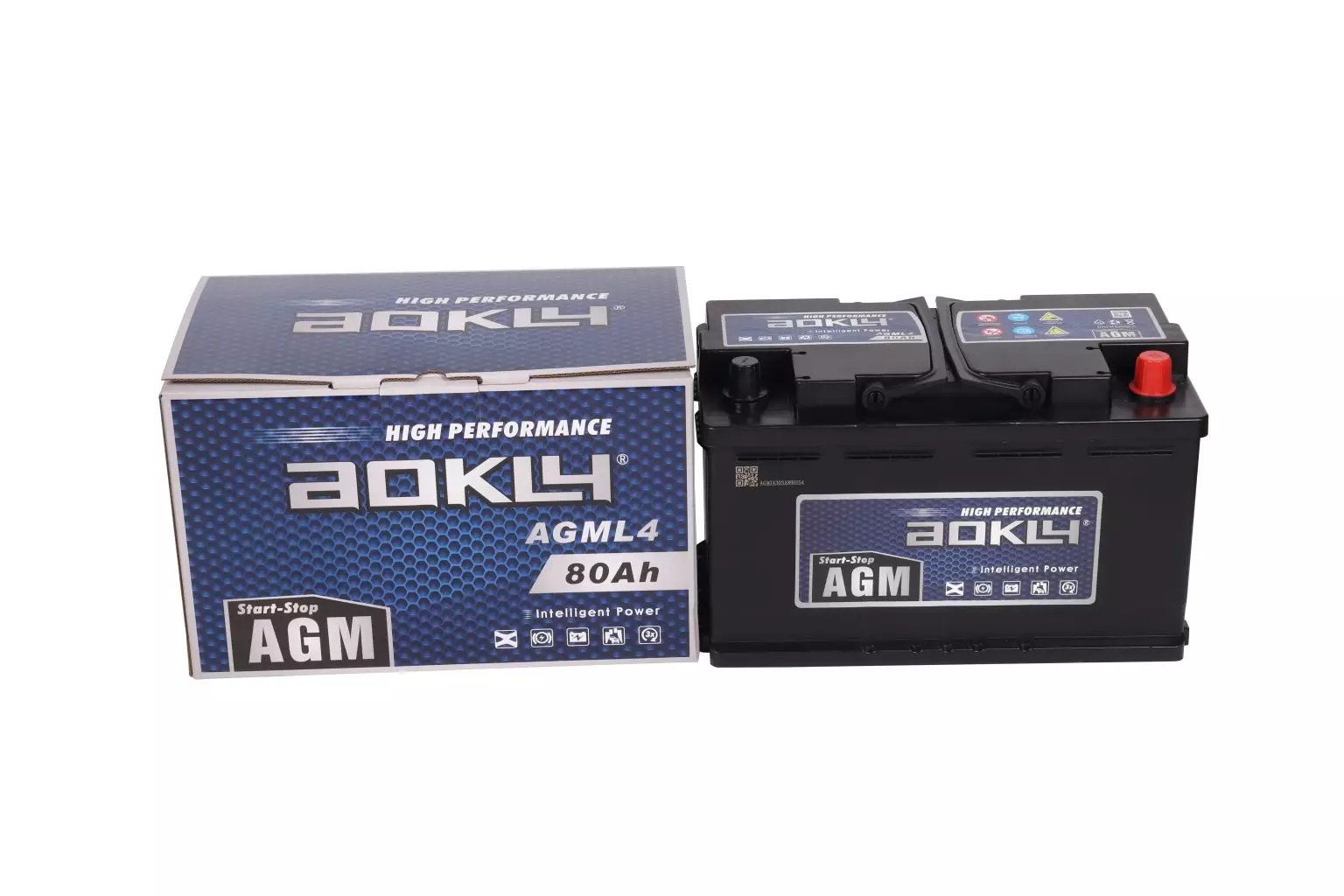
The automotive battery is a fundamental component in any vehicle, directly influencing its performance and reliability. Yet engineers often overlook the battery’s condition, leading to serious consequences for manufacturers and vehicle owners alike. For instance, data shows that nearly 25% of all vehicle breakdowns are battery-related. This raises an all-important question: How can we enhance the performance and longevity of an auto start battery? Understanding the underlying issues is critical, especially in today’s fast-paced automotive industry.
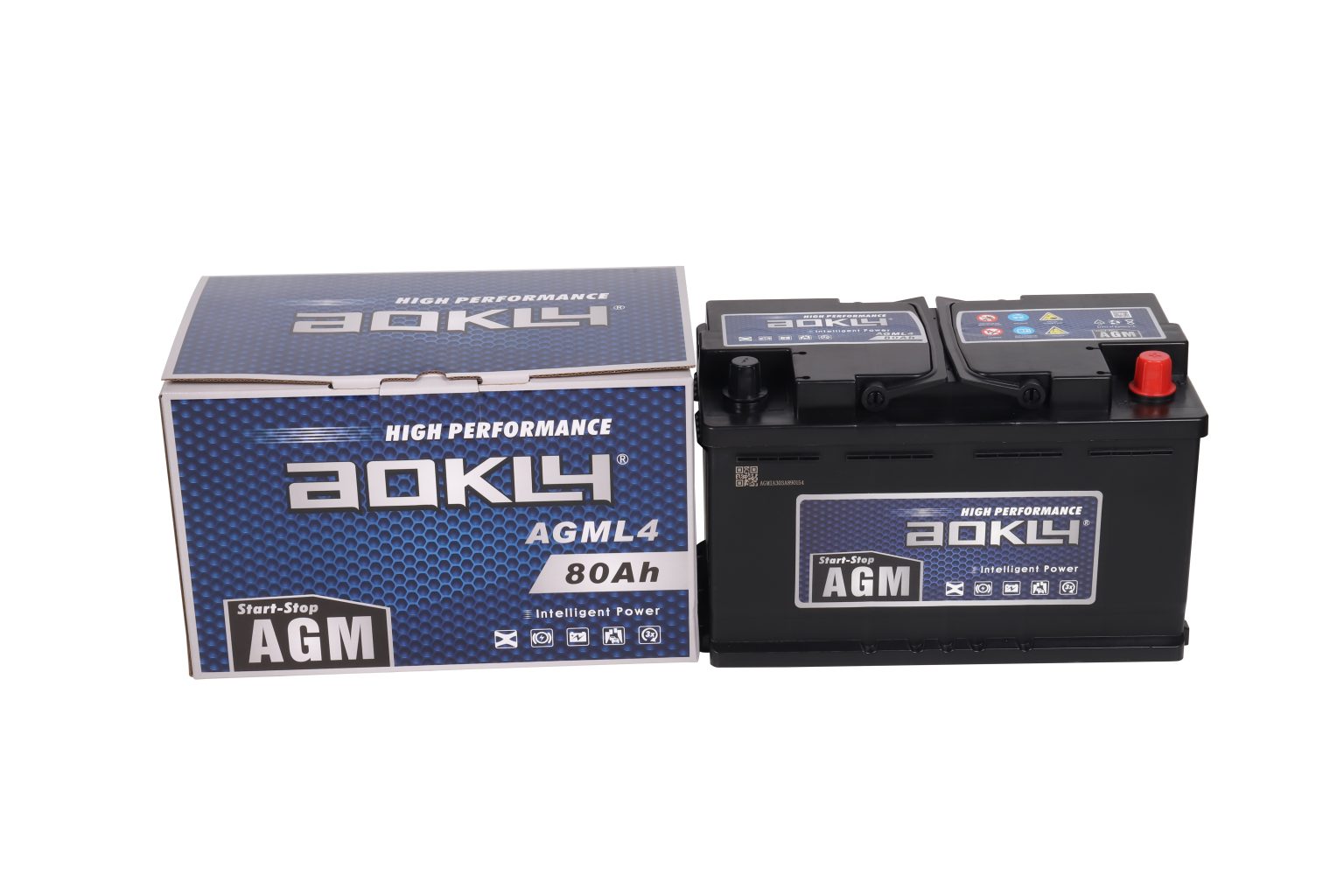
The Flaws in Traditional Battery Solutions
Let’s be real; traditional lead-acid batteries have been the go-to solution for a long time. I vividly recall my first experience in automotive retail, where I learned that while these batteries get the job done, they fall short in terms of longevity and efficiency. The problem is that when temperatures dip, these batteries lose their punch, affecting engine start time and, ultimately, customer satisfaction. Have you ever tried to start a vehicle on a cold winter morning only to hear that dreaded click? The dilemma isn’t solely about performance; it’s also a matter of maintenance—batteries require consistent monitoring and eventual replacement, costing consumers both time and money.
What Often Gets Overlooked?
One common user pain point is the battery’s lifecycle. I must emphasize that many users aren’t aware of how long their battery will last or how to maintain it effectively. In a recent conversation with a local mechanic, he mentioned that many customers dismiss battery maintenance until it’s too late. When discussing auto start batteries, it’s crucial to consider aspects like discharge rates, charging cycles, and temperature sensitivities. This knowledge could significantly empower end-users to make informed choices. It’s not just about swapping out an old battery for a new one—it’s about understanding the entire ecosystem around battery health.
The Forward-Looking Perspective: Exploring New Technologies
As we venture into the future, the landscape for automotive batteries is not static. New technologies, such as lithium-ion batteries, promise improved performance, but what does that really mean for the everyday driver? For instance, these modern batteries offer quicker charge times and longer lifespans. However, there’s a trade-off: higher costs and more complex recycling processes. It’s a double-edged sword, echoing my earlier sentiment of how traditional solutions have their flaws.
Real-World Impact: What to Expect?
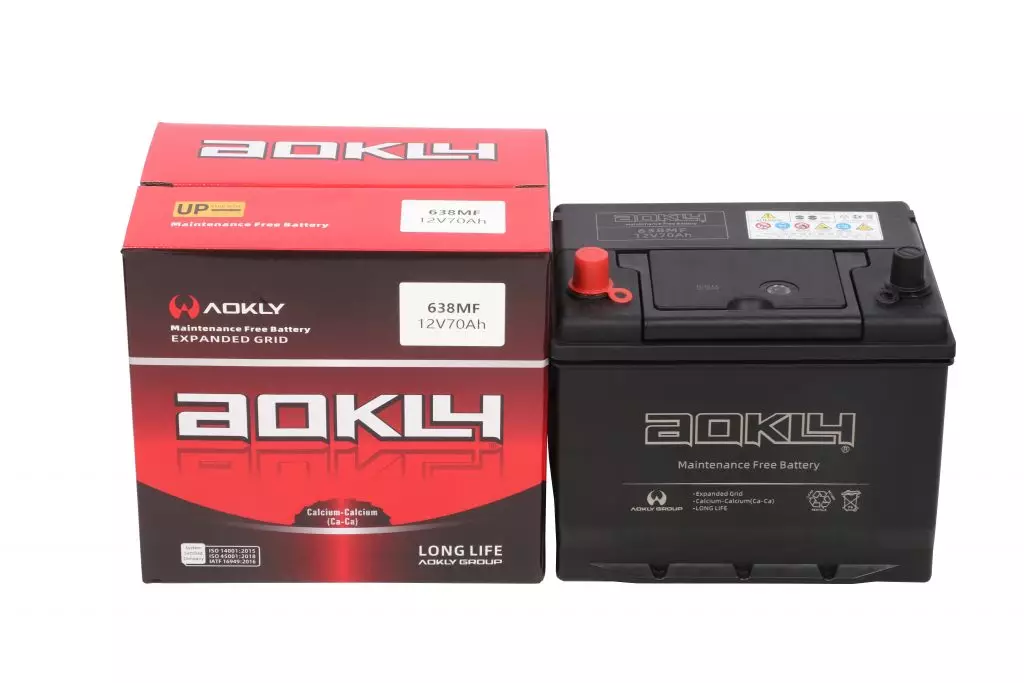
In my experience, brands like Aokly have started incorporating advanced technology into their auto start batteries. Customers can easily feel the difference—less frequent replacements, better energy efficiency, etc. It’s fascinating how such advancements can lead to measurable results. A friend of mine recently switched to an Aokly battery; he reported a 30% increase in start-up reliability. Moments like these make me wonder how much more we can achieve with ongoing innovation.
In summary, choosing the right battery involves understanding both traditional solutions and emerging technologies. Users need to weigh factors like performance, cost, and lifecycle management carefully. For buyers, it’s time to move beyond familiarity with standard options and explore what new advancements have to offer. If you’re serious about battery performance, consider evaluating solutions based on longevity, efficiency, and user feedback. Ultimately, the right choice could save you not just money but also valuable time.
As we navigate these choices, remember that solutions like those offered by Aokly might transform your automotive experience. Choosing wisely today will certainly set the tone for a more reliable tomorrow.