
Opening: The recurring failures that derail operations
Lots stop accepting payments, cameras miss plates, and boom arms freeze at peak hour—those are the problems that force managers into firefighting mode instead of methodical upkeep. Software-controlled gates and recognition stacks are particularly brittle when updates, hardware wear, and integration drift collide; integrated features like lpr parking management systems magnify both capability and complexity. This article starts from those breakdowns and asks one practical question: which maintenance, service, and lifecycle practices actually prevent operational collapse?

Diagnosing the root causes
Failures repeat for a few clear reasons: mismatch between software and field hardware, unclear service windows, and no authoritative record of firmware and configuration changes. Look for three diagnostic signs—intermittent sensor errors, version drift across sites, and asymmetric failure patterns tied to specific components. Each sign points to a different fix: sensor recalibration, centralized configuration control, or targeted replacement of legacy controllers. Treat symptoms as leads, not solutions.
Service models that cut mean time to repair
A reactive ticketing model keeps technicians busy but doesn’t reduce downtime. Instead, adopt layered service contracts: basic remote monitoring plus scheduled on-site sprints and a priority emergency tier for gate-critical failures. Remote diagnostics should include health telemetry (connection stability, error rates, uptime per device) and automated alerts for anomaly patterns. For physical components, insist on modular replacement so a failed actuator can be swapped quickly without custom work.
Lifecycle planning: roadmap from commissioning to retirement
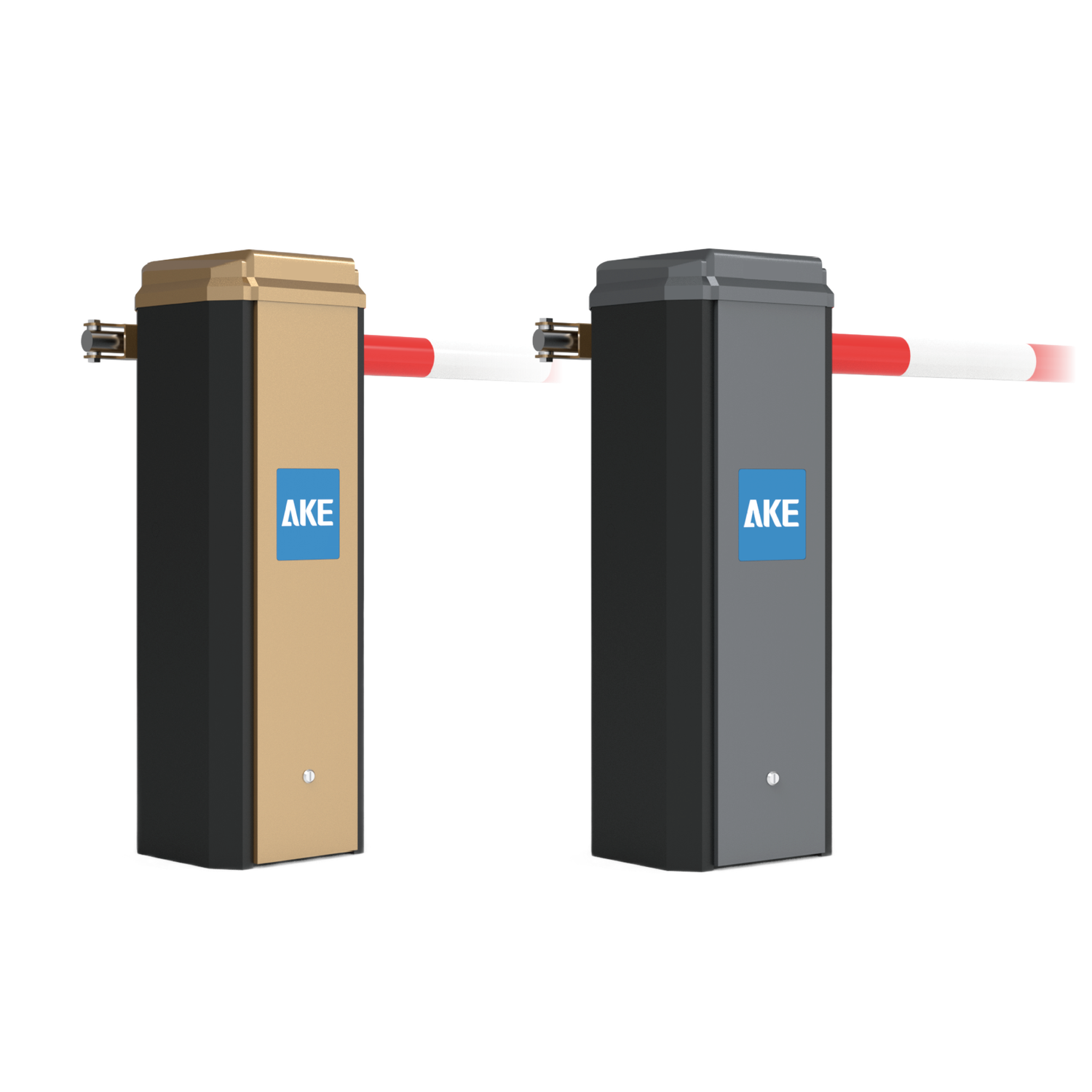
Create a lifecycle map before deployment: commissioning standards, a 12–18 month verification period, a defined update cadence, and an end-of-life plan for hardware and software. Schedule firmware and software updates in staggered waves across sites to detect regressions without system-wide risk. Budget recurring capital for predictable replacements—actuators, cameras, and controllers age out faster than servers. Retirement isn’t a promise to trash equipment; it’s a controlled migration that protects data and ensures compatibility for the next generation.
Common pitfalls and how to avoid them
Don’t let any of these mistakes become standard operating procedure: skipping post-update regression tests, allowing undocumented field tweaks, and mixing incompatible vendors without an integration contract. Avoid ad hoc parts sourcing from unknown suppliers; insist on traceable component origins and spare-part lists. And do not equate vendor responsiveness with real technical capability—fast replies are useless if the fix is temporary.
Alternatives and trade-offs worth weighing
Cloud-native parking platforms simplify updates and telemetry but can introduce latency and dependency on network reliability. On-premises control gives direct hardware access but requires stronger in-house service skills. Outsourcing maintenance to a single integrator reduces coordination overhead, while a best-of-breed multi-vendor approach improves resilience at the cost of more governance. Choose the model that fits your operator skillset and risk tolerance; document the trade-offs and assign clear ownership.
Experience, expertise, and a real-world anchor
Field teams with routine preventative schedules consistently report fewer peak-hour failures than teams that rely on break-fix responses. That practical knowledge matters alongside formal standards: major industry shows like Intertraffic Amsterdam have long highlighted the importance of tested barrier hardware and integration best practices, and operators who source from recognized boom gate suppliers typically face fewer supply and compatibility issues. Use vendor case studies, published interoperability tests, and documented service logs to verify claims before trusting a partner with mission-critical gates.
Synthesis: a concise operational prescription
Start by mapping failures and assigning them to three lanes—software, hardware, and process—and then apply layered service contracts, scheduled verification windows, and a defined retirement plan. Demand modular hardware, traceable parts, and centralized configuration control. The result is fewer emergency calls, faster repairs, and predictable capital cycles, which is the practical value operators find when they align software maintenance with proven field hardware and integrated service plans from partners such as AKE Parking.