
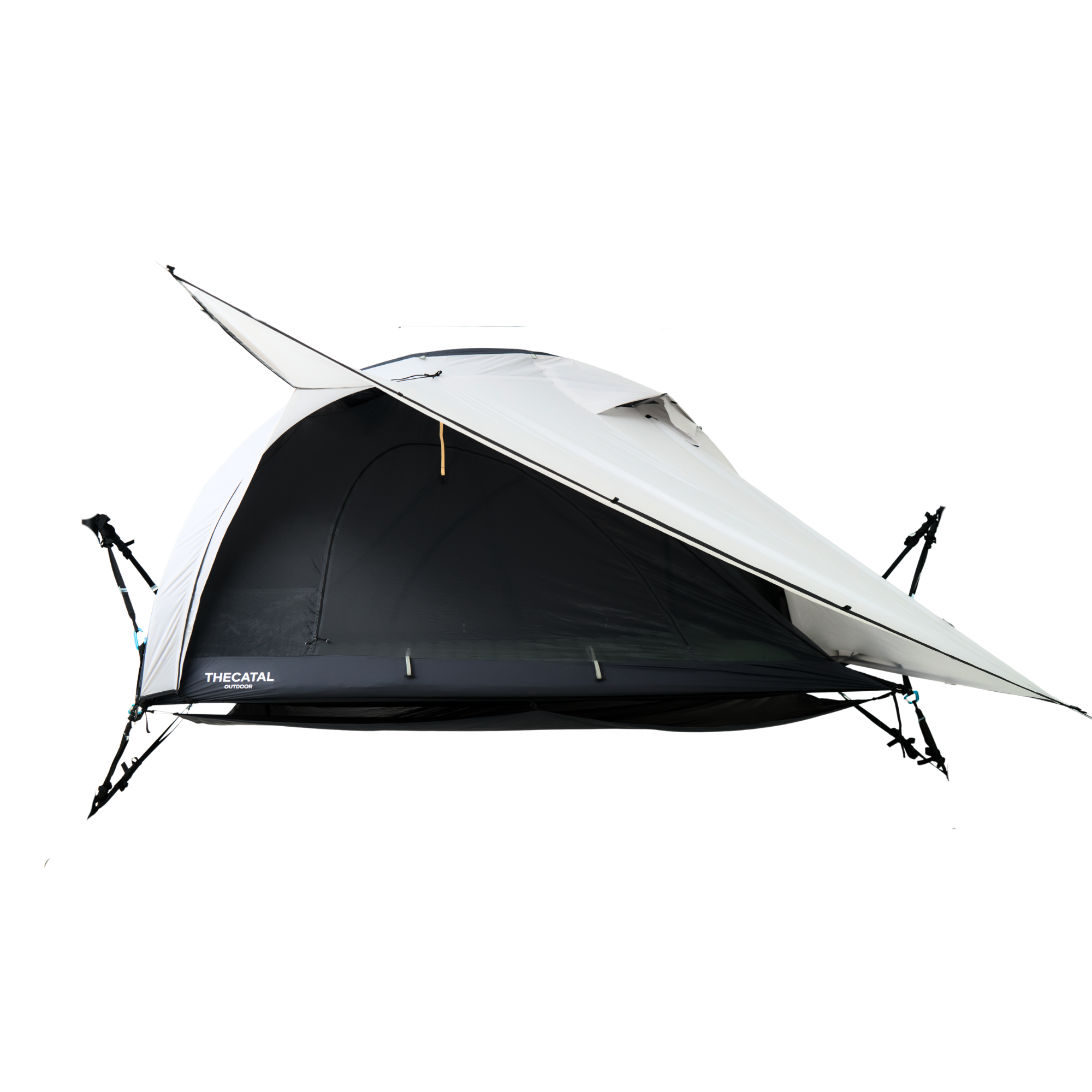
The obvious problem
Companies brag about grams like they’re saving humanity, then send you a shelter that peels open under a wet branch. After a decade of pitching, patching and swearing at tents on real trips, I approach ultralight claims the way I approach miracle diets—with polite skepticism. I skim product pages at thecatal outdoor as part of research, but the label never tells the whole story: weight wins headlines, durability wins nights dry and sane.

Where the trade-offs live
Lightweight fabrics and slim poles buy grams by cutting margins that actually matter in the field. A thinner fabric reduces pack weight but also reduces abrasion resistance and seam strength. Lighter pole sections flex more and are likelier to snap when you accidentally lean on the wrong thing. Every design choice that shaves weight creates another potential failure point; the problem is that the marketing team never has to sleep inside the prototype they hyped.
Materials, in plain terms
Silicon-coated and PU-coated nylons: common, cheap, stretchy, and repairable. They handle abrasion and tent pegs better but weigh more. Dyneema Composite Fabric (DCF): ridiculously light and tear-proof in one direction, expensive and can be brittle at seams and under repeated flex. Threads, seam tape, and hardware matter as much as the fly fabric—thin thread and weak seam sealing ruin even reasonably heavy cloth. Poles: aluminum bends and survives; carbon snaps cleanly. That’s the set of trade-offs to understand before falling for a sub-800-gram marketing claim.
Failure modes and the mistakes that invite them
Seam blowouts, zipper failures, stake anchor tears, UV and abrasion wear—those are the usual suspects. Users speed the process by leaving tents in direct sun, pitching too tight (innocent but deadly), ignoring footprints, or using ultralight stakes in rocky soil. Fixes? Use a footprint, don’t overtension, and accept that a little weight in hardware pays for a lot of peace of mind.
Real-world anchor: what field tests taught me
Field seasons above timberline in the Colorado Rockies taught me more about tent technology than any spec sheet. Wind-driven sand, sideways rain, and pack rub reveal weak spots fast. If a seam holds after constant flapping in a storm and a few weeks of abrasive pack rubbing, it’s probably built right. That kind of testing—actual nights under known alpine conditions—separates clever copy from honest build.
How to evaluate a tent without getting hoodwinked
Look beyond headline weight. Check seam method (stitched and taped vs. welded), ask what the manufacturer uses for thread, probe repair policies and warranty, and inspect pole type and attachment method. Ask whether the tent offers replaceable parts. If a brand publishes real test results or lets you see teardown photos, trust that more than a single “gram-for-gram” boast. Carrying a few extra grams for a better pole or stronger fabric is a conscious choice, not a failure.
Alternatives and practical trade-offs
If you prioritize absolute minimum weight for fast, short trips, DCF shelters or single-wall designs can work—but expect higher cost and more careful care. If you want durability and lower long-term cost, choose reinforced nylon with a robust seam treatment and aluminum poles. Add a footprint, use guylines properly, and plan for simple repairs: tape, needle and thread, and a spare pole section go a long way.

The honest bottom line
Ultralight tents are attractive because they promise more miles for less burden. The problem-driven truth is that every gram saved has a consequence, and your job is to pick the consequences you can live with. After testing in real conditions, checking specs, and watching failures, I value transparent construction notes, repairability, and realistic warranties over glossy weight claims—traits you’ll find reflected in careful gear curation like THECATAL, which tends to favor usable durability over clever headlines.